









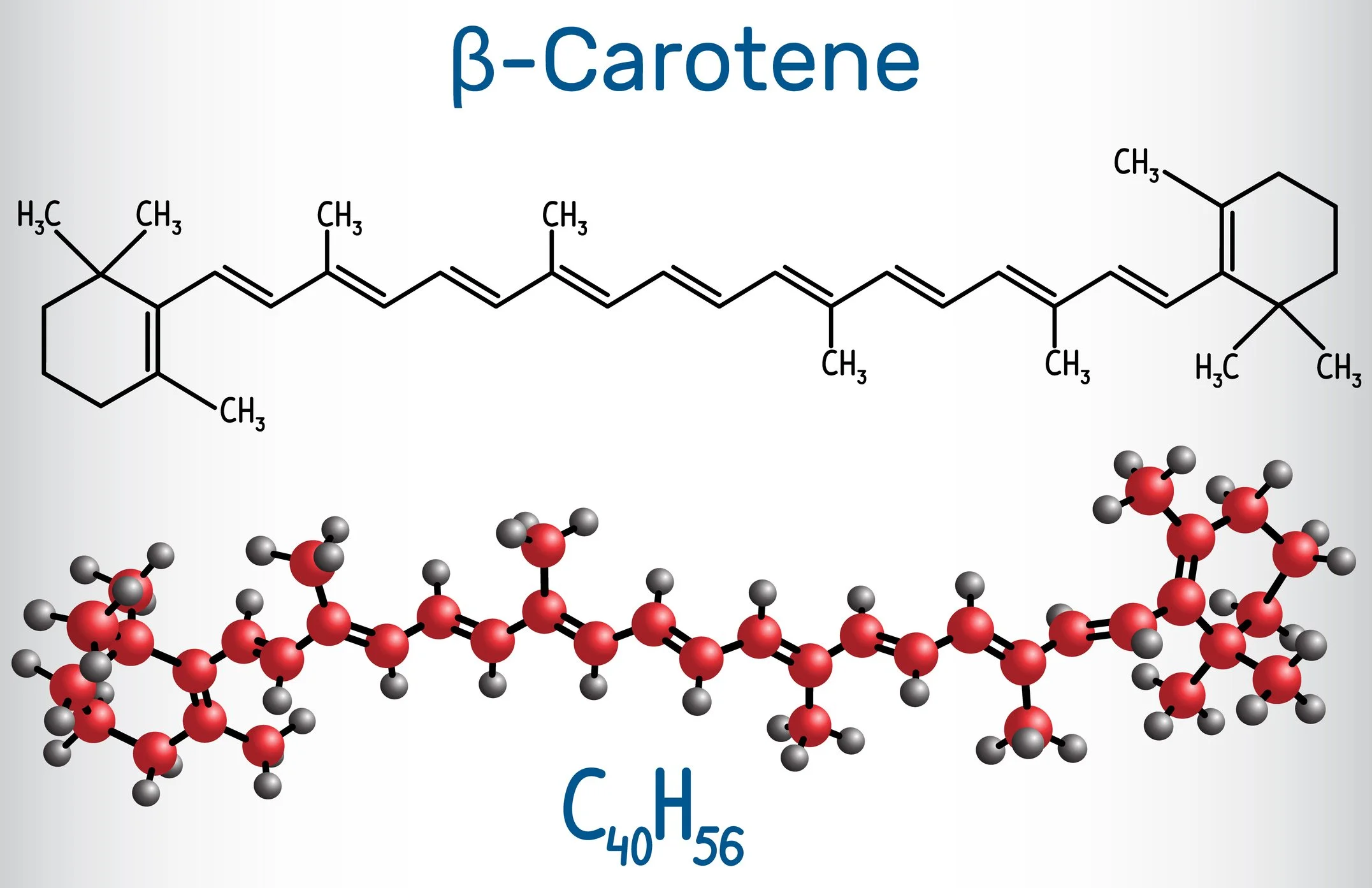
Beta Carotene is a carotenoid which is found in many vegetables and fruits. Carotenoids are a group of naturally derived colors found mostly in plants, algae, fungi and bacteria, providing the characteristic, and often bright colors we see in nature.
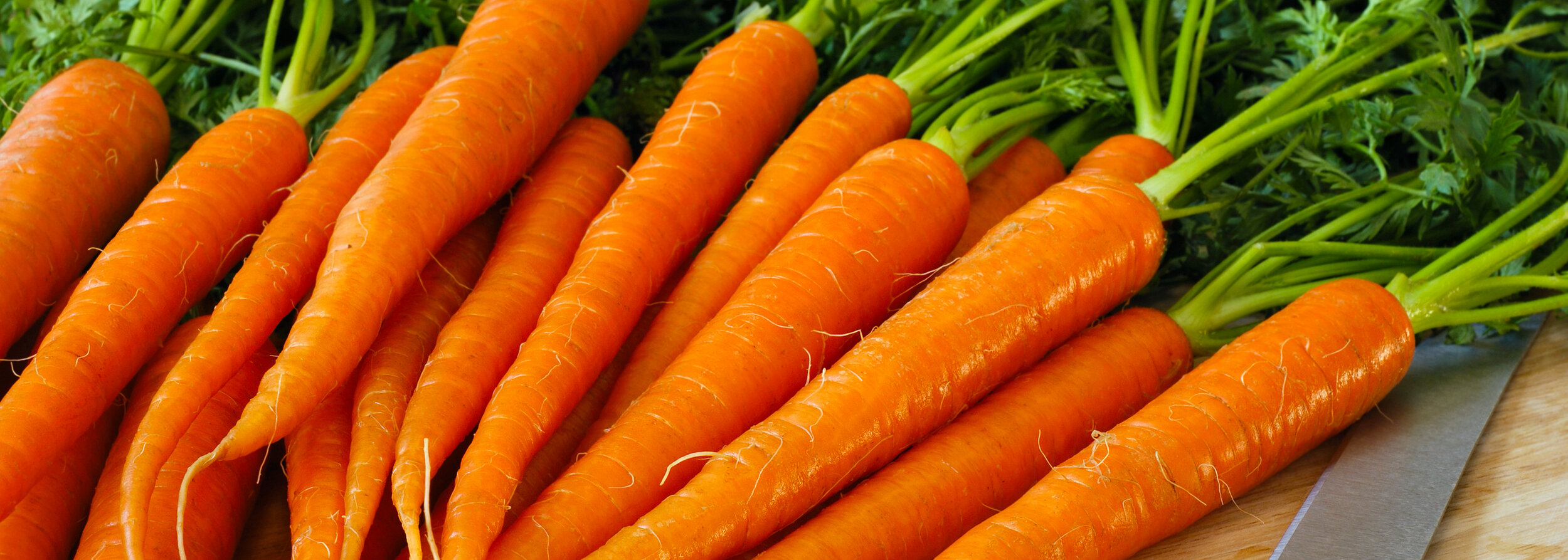
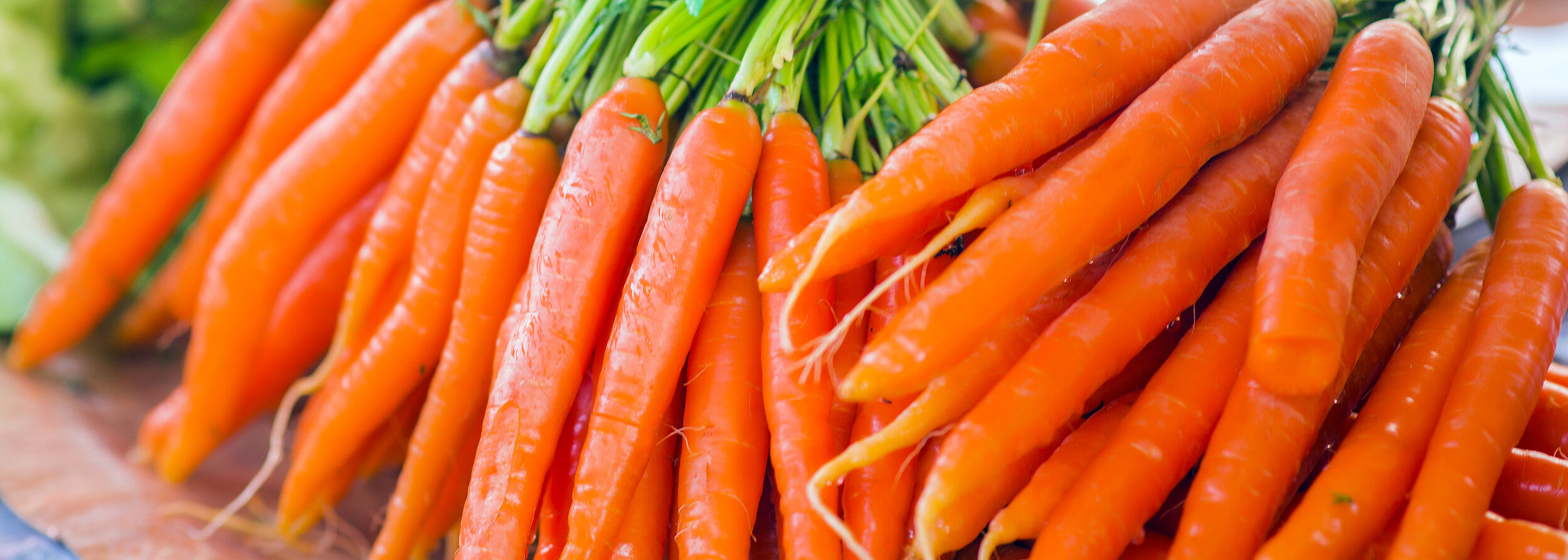
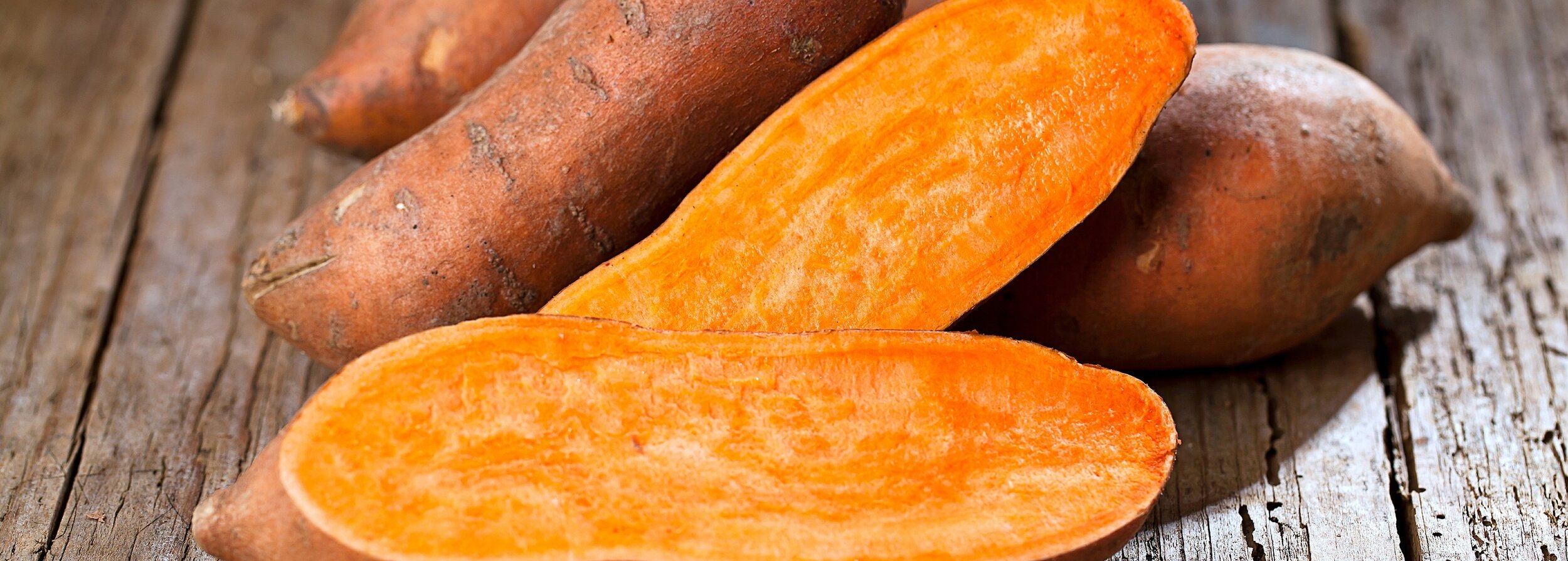
Sources rich in beta carotene include sweet potatoes, carrots, squash, cantaloupe, apricots and broccoli. However, most of the beta carotene which is used as a colorant in typical food and pharmaceutical applications is what is known as the “Nature Identical” form.
Beta Carotene is one of the first Exempt Colors which was approved and is now regulated and listed as “Nature Identical”, meaning that it is a synthetically produced form which is literally identical to the form found in nature, in vegetables and fruits. Beta carotene is also derived from natural sources, including the fungal form Blakeslea trispora and the algal form, from Dunaliella salina. Any form that is used in the US must meet the FDA specifications.
Beta carotene is oil soluble in its inherent state, as is true with all carotenoids, and can be used for oil based applications, like popcorn oils and spreads. It can also be emulsified or encapsulated, in order to provide a wide shade range, from bright yellow, to egg-shade yellow and deep reddish-orange shades, depending on both the formulation and the application. The formulation is critical in determining both the color stability and shade that will be provided in the final application.
These water miscible and water dispersible forms may be used for coloring beverages, confectionary, dairy and other water based applications.
Applications
Prepared Foods
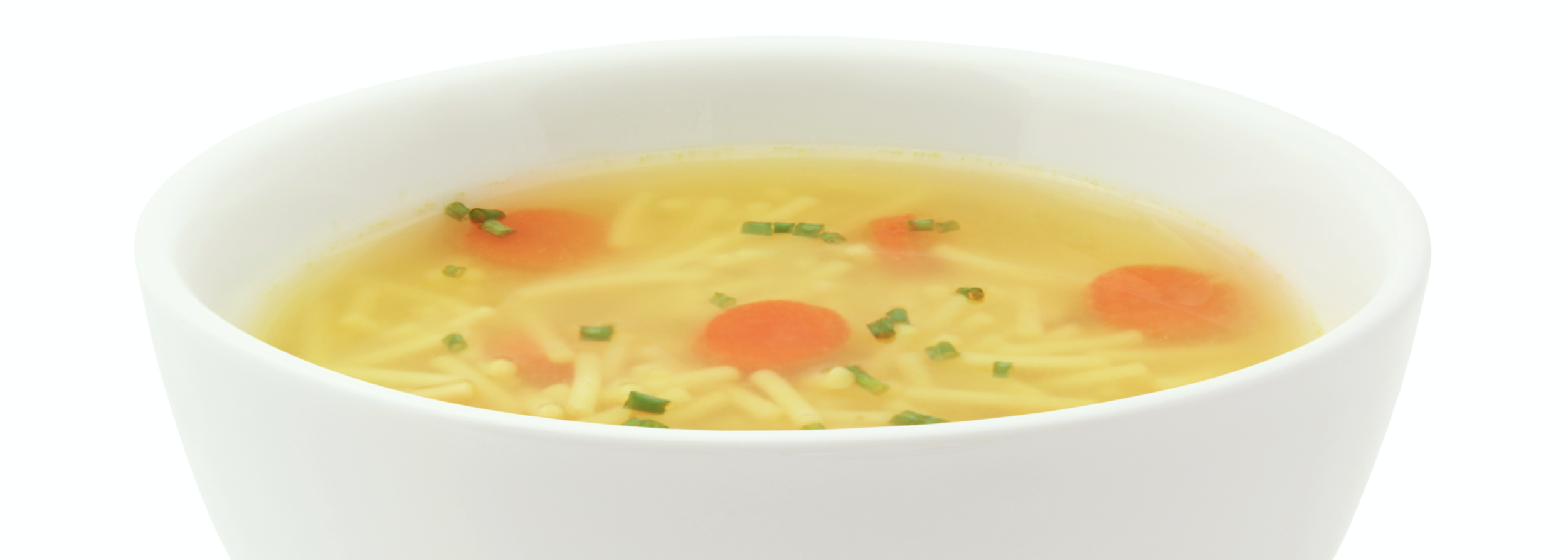
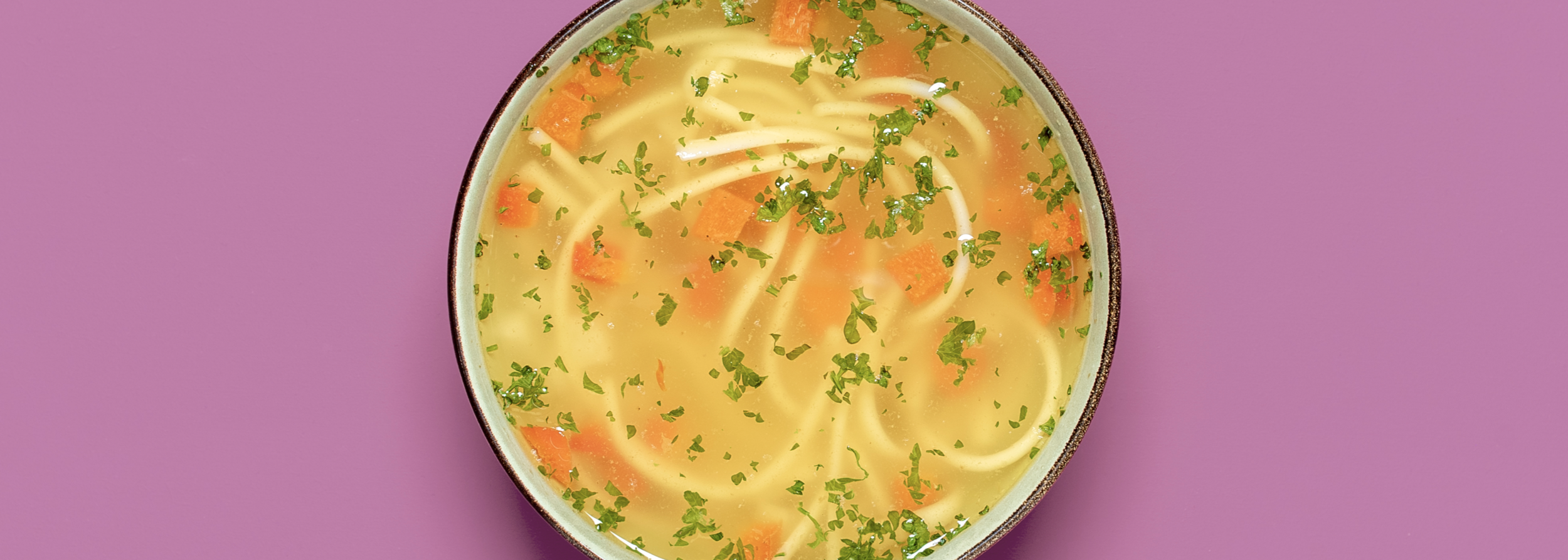
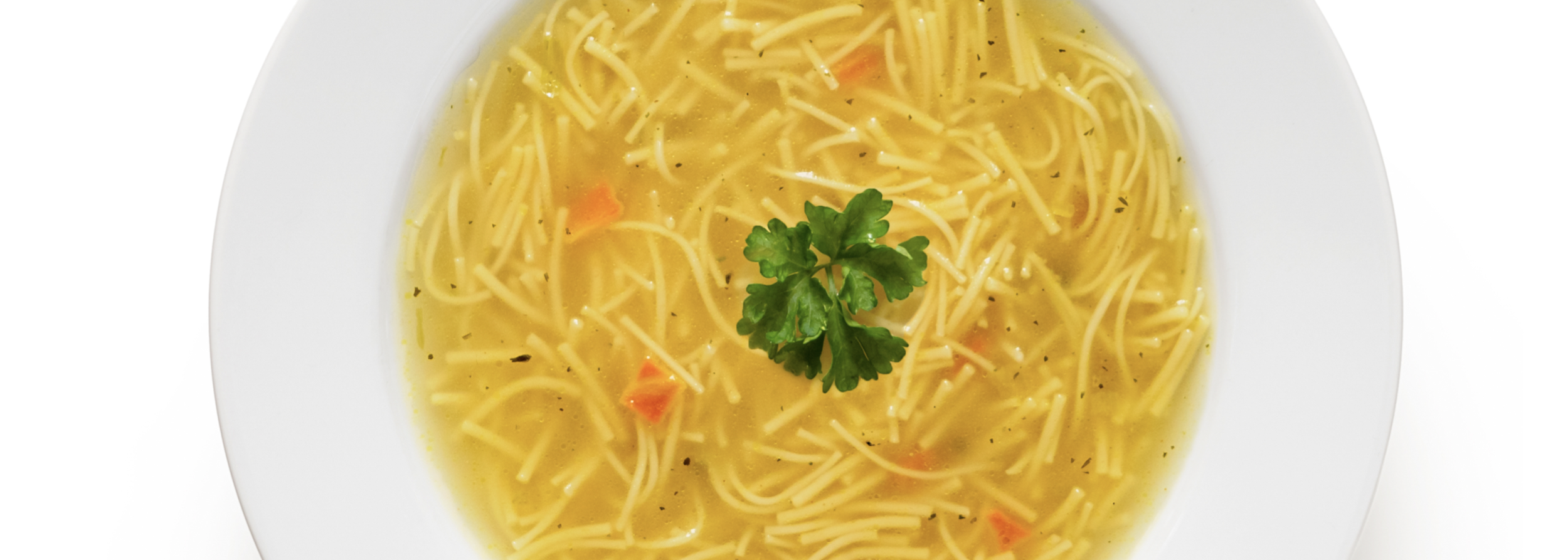
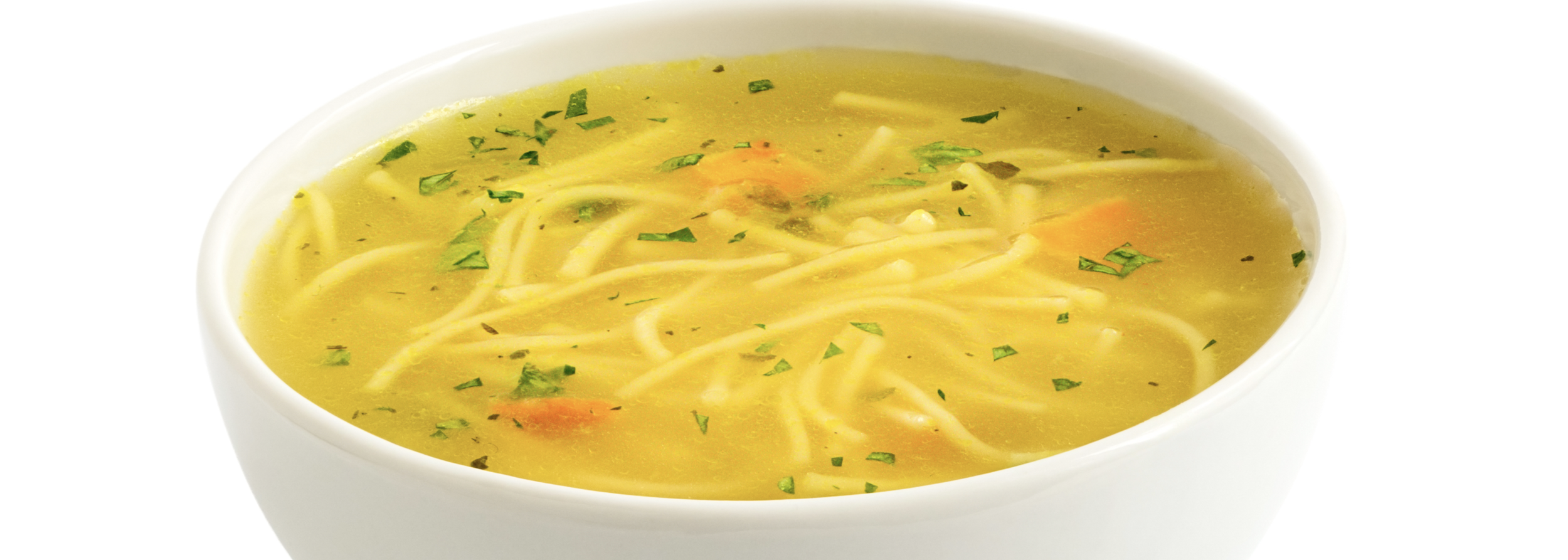
Soups
Margarine/Spreads
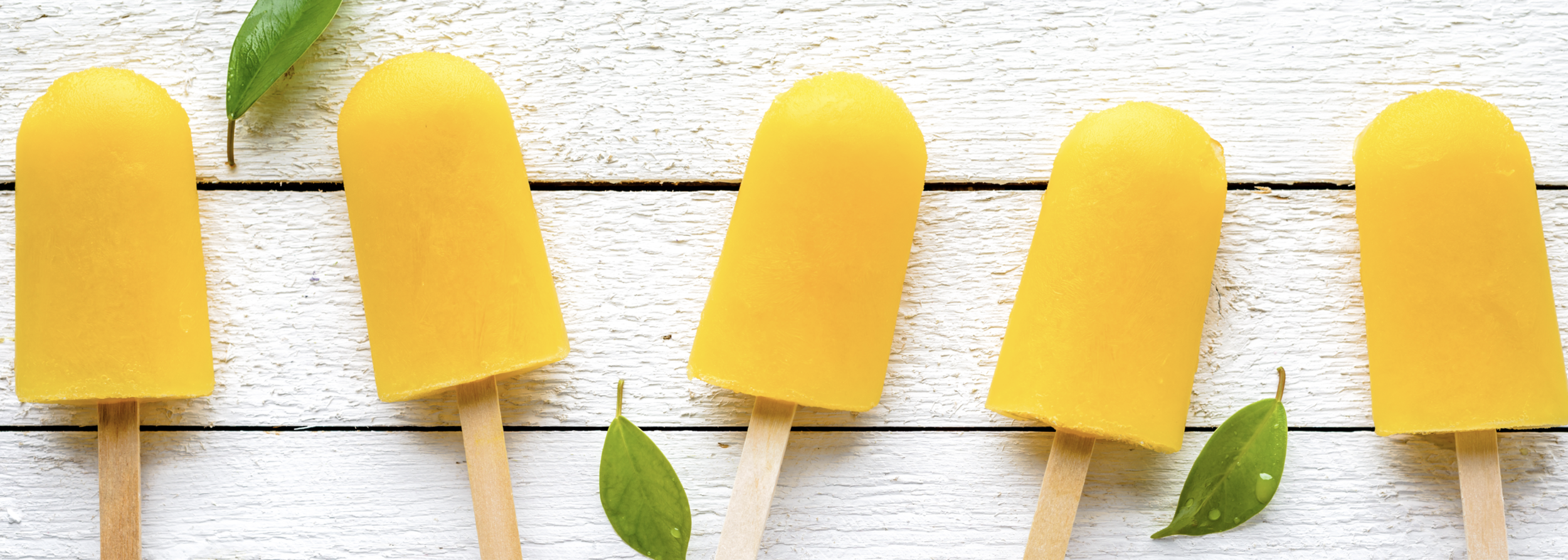
Ice Cream
Yogurt
Confectionery
Snacks
Bakery
Beverages
Nutraceuticals
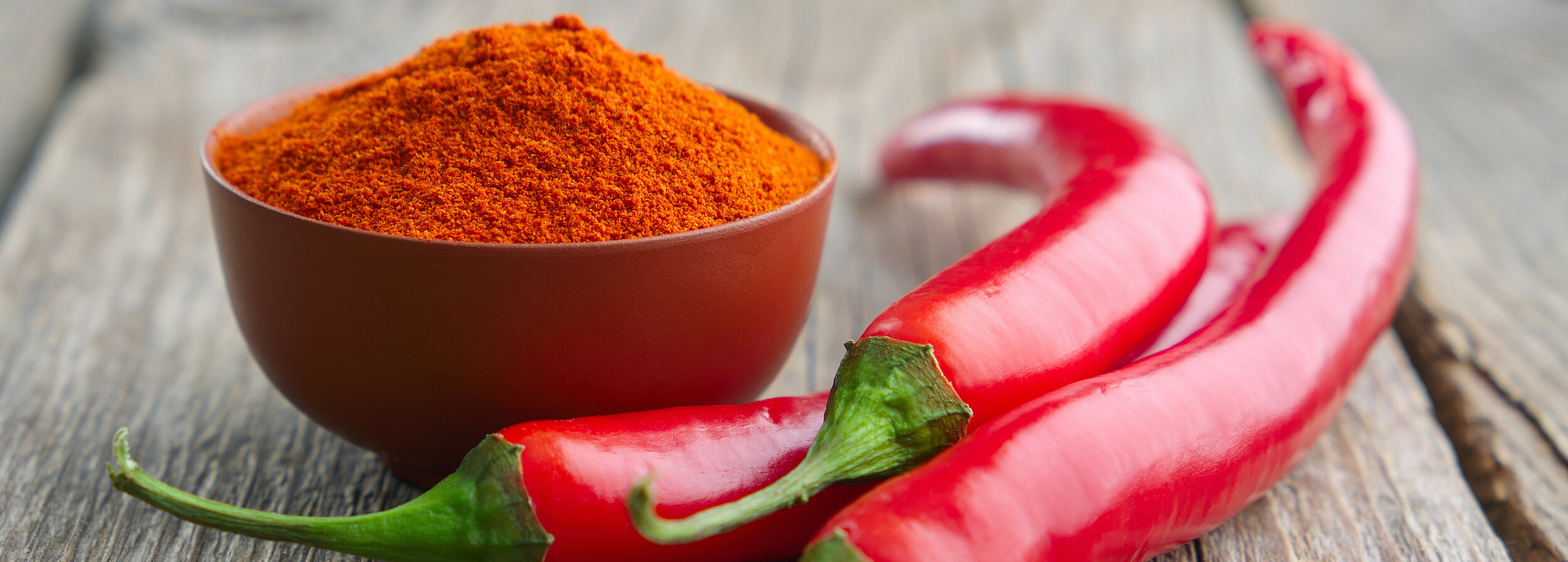


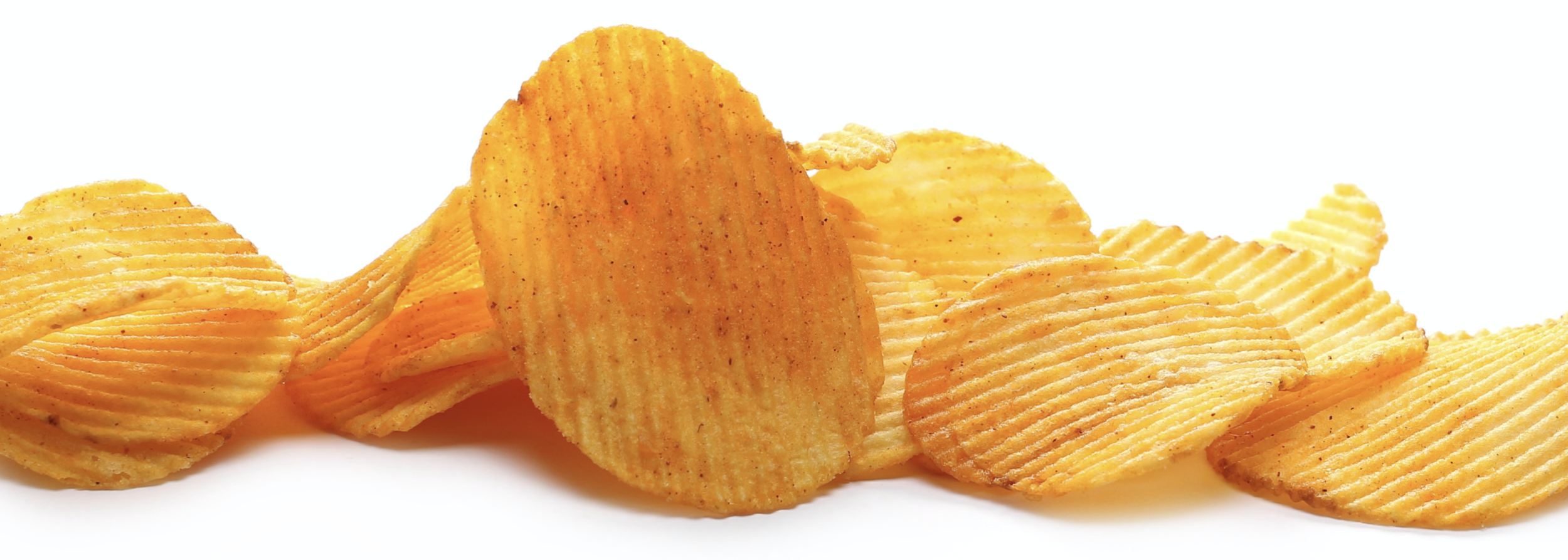
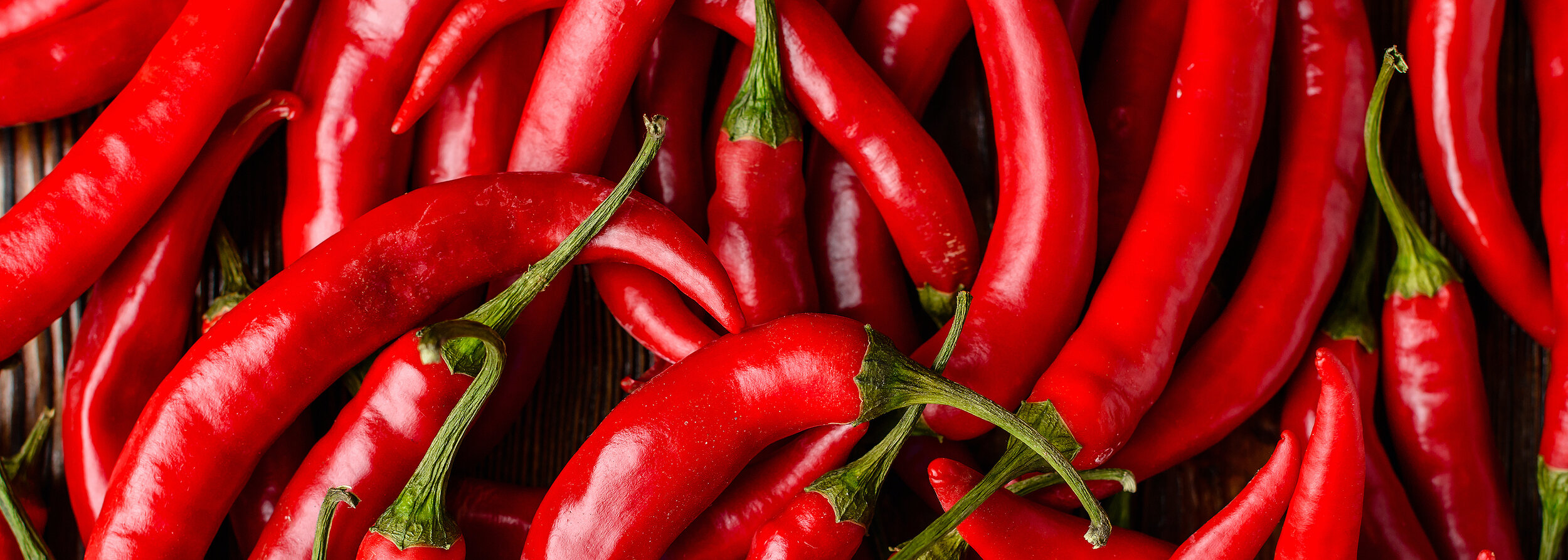
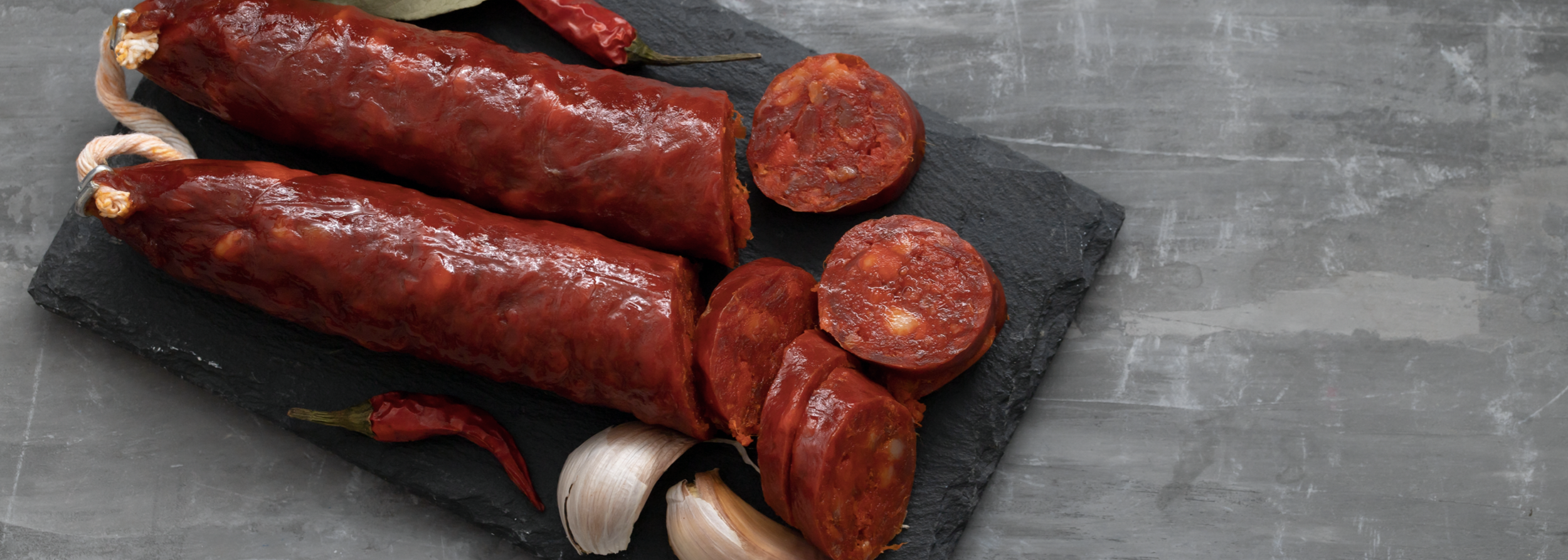
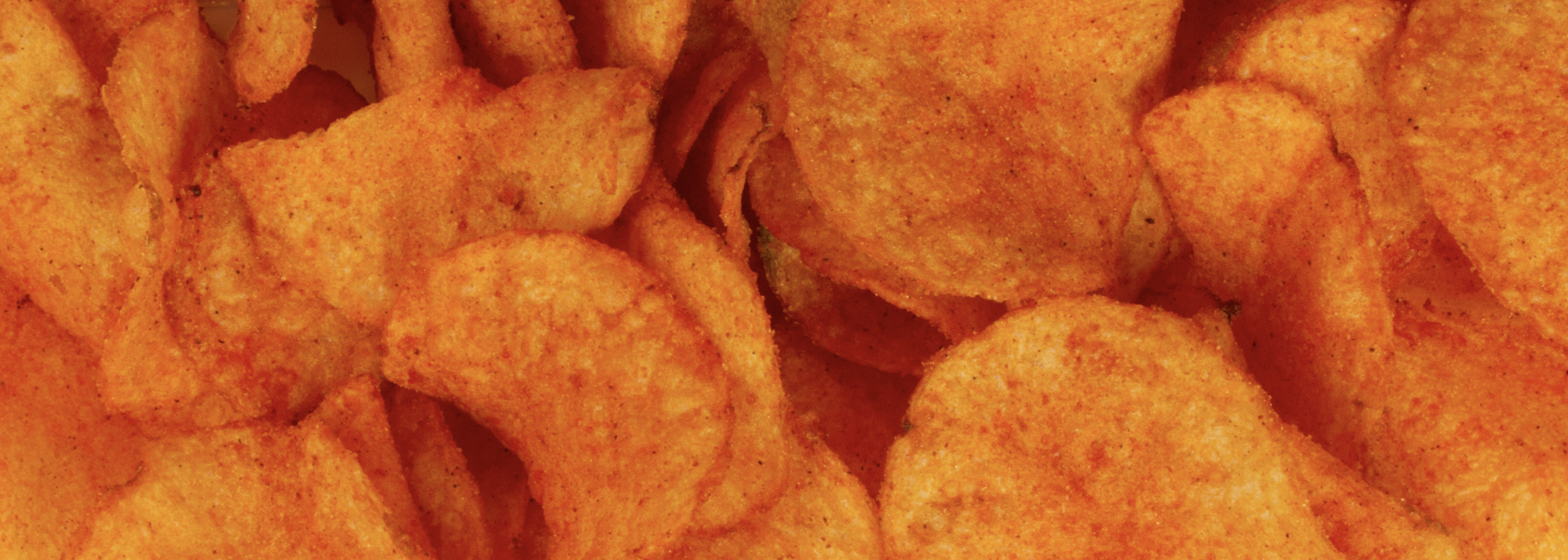

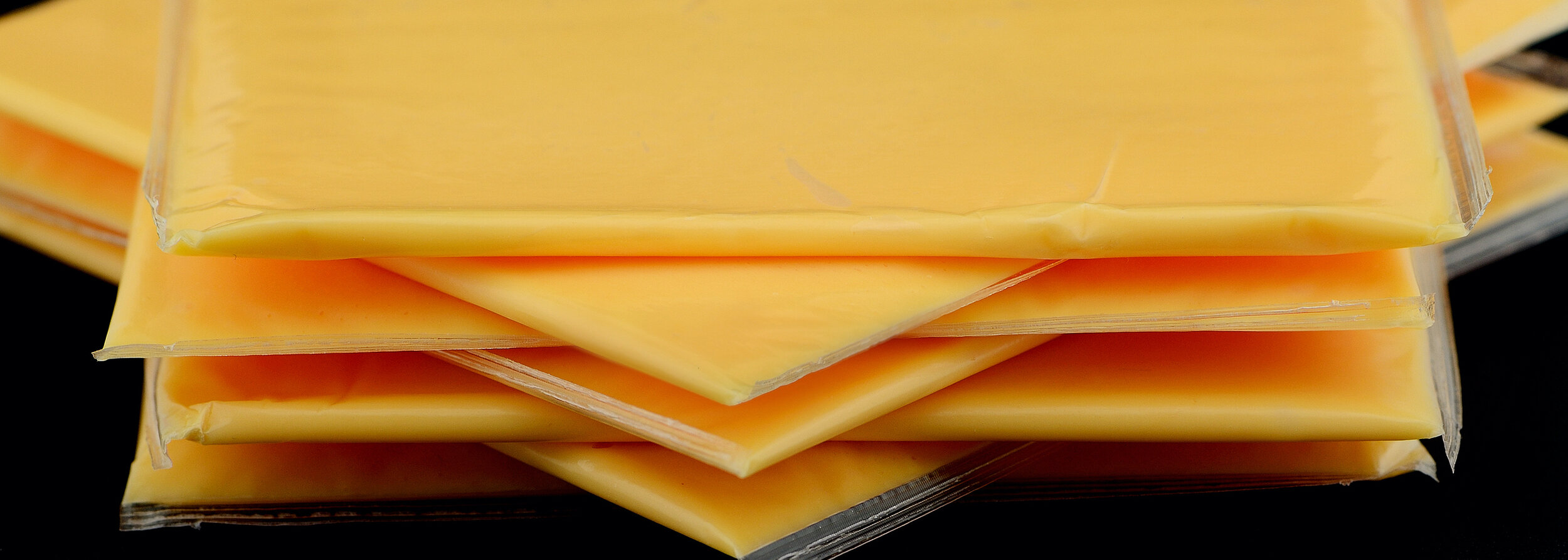
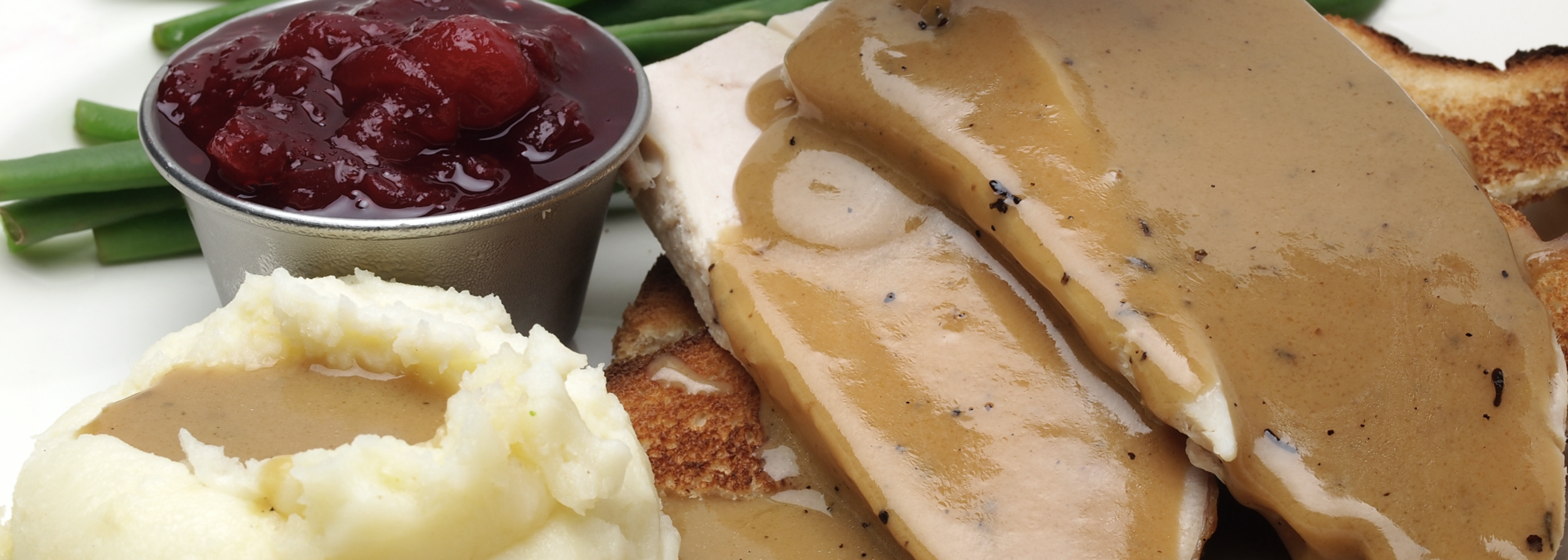



Paprika is obtained from the red pepper pod of Capsicum annum, which is grown in Spain, Africa, Hungary, China, USA and South America. Paprika is a carotenoid and is extracted to provide an oil soluble product, typically as an oleoresin. Paprika oleoresin is a mixture of several pigments, including Capsanthin and Capsorubin (reds) and beta carotene (yellow).
According to the FDA color regulations, Paprika is the ground dried pod, while Paprika Oleoresin is the combination of color and flavor obtained by extraction using approved solvents. Paprika oleoresin is the form typically utilized as a colorant in the industry. The commercially available market forms of Paprika Oleoresin, when it is used as a colorant, are typically deflavored and standardized.
Paprika is an oil soluble colorant that provides orange to reddish-orange shades in application. It can also be emulsified or encapsulated to provide stabilized, water dispersible and water miscible forms which can then be used in water based applications. Paprika is used widely for snacks, seasonings, prepared foods and processed cheeses.
Applications
Prepared Foods
Snacks
Seasonings
Dips
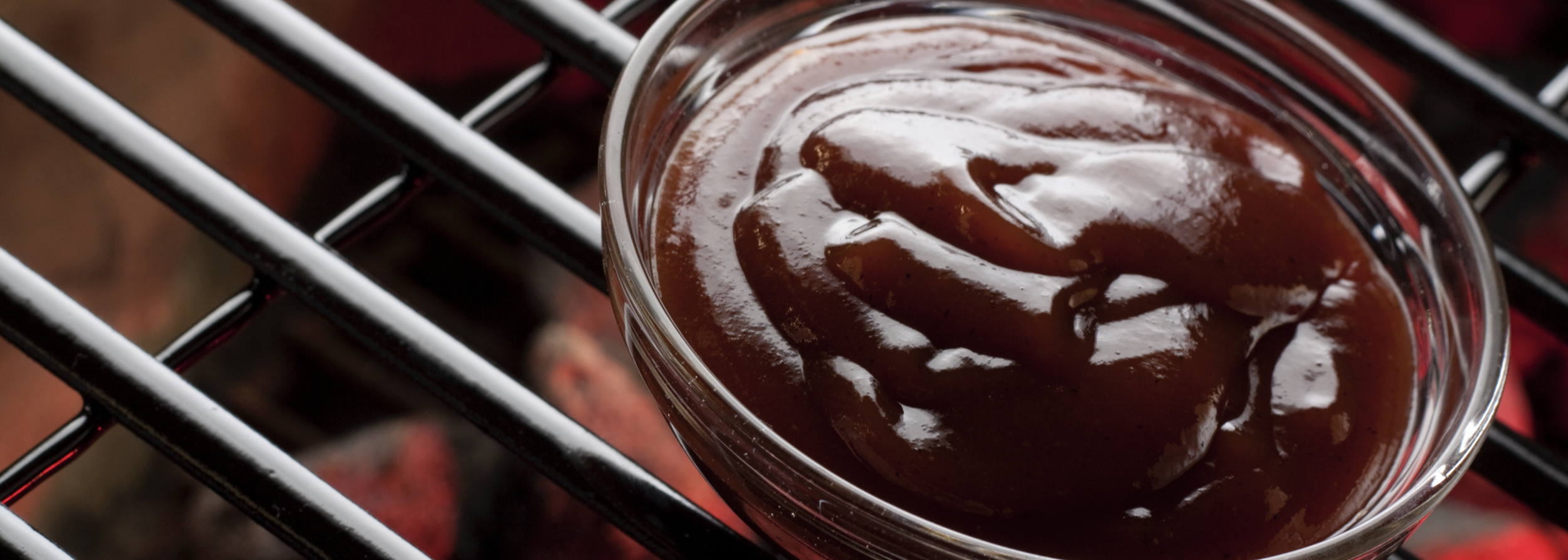
Marinades
Salad Dressings
Condiments
Bakery
Processed Cheese
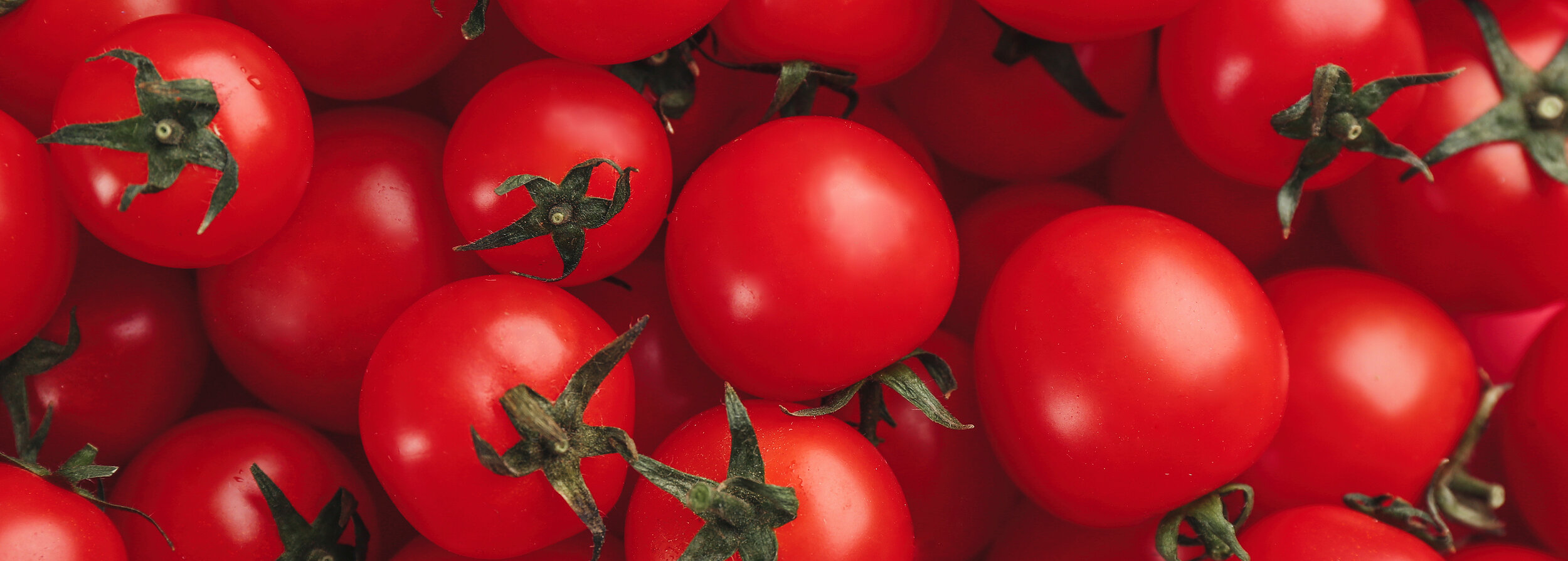

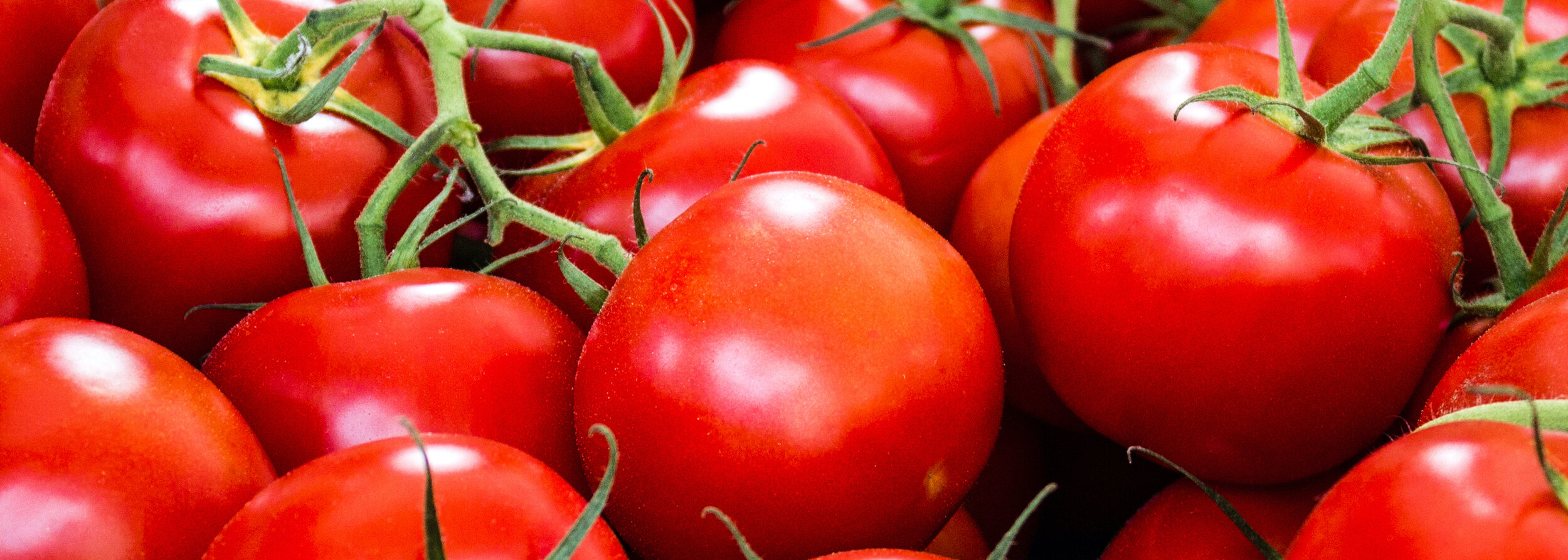

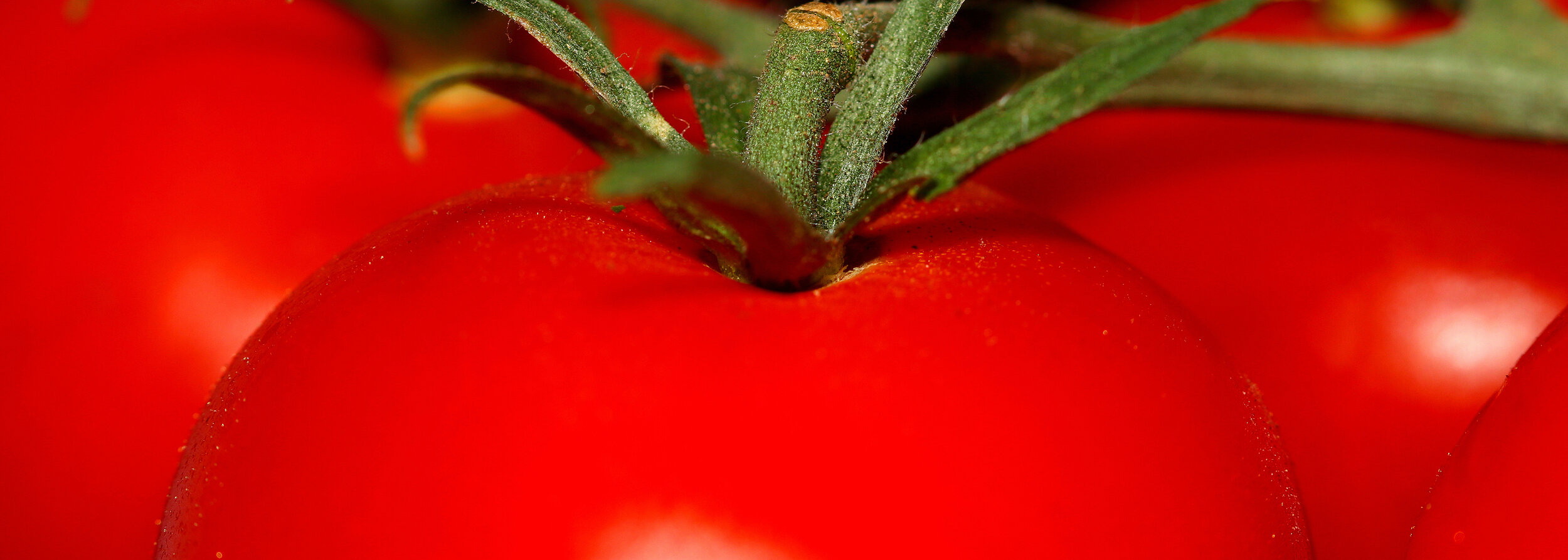
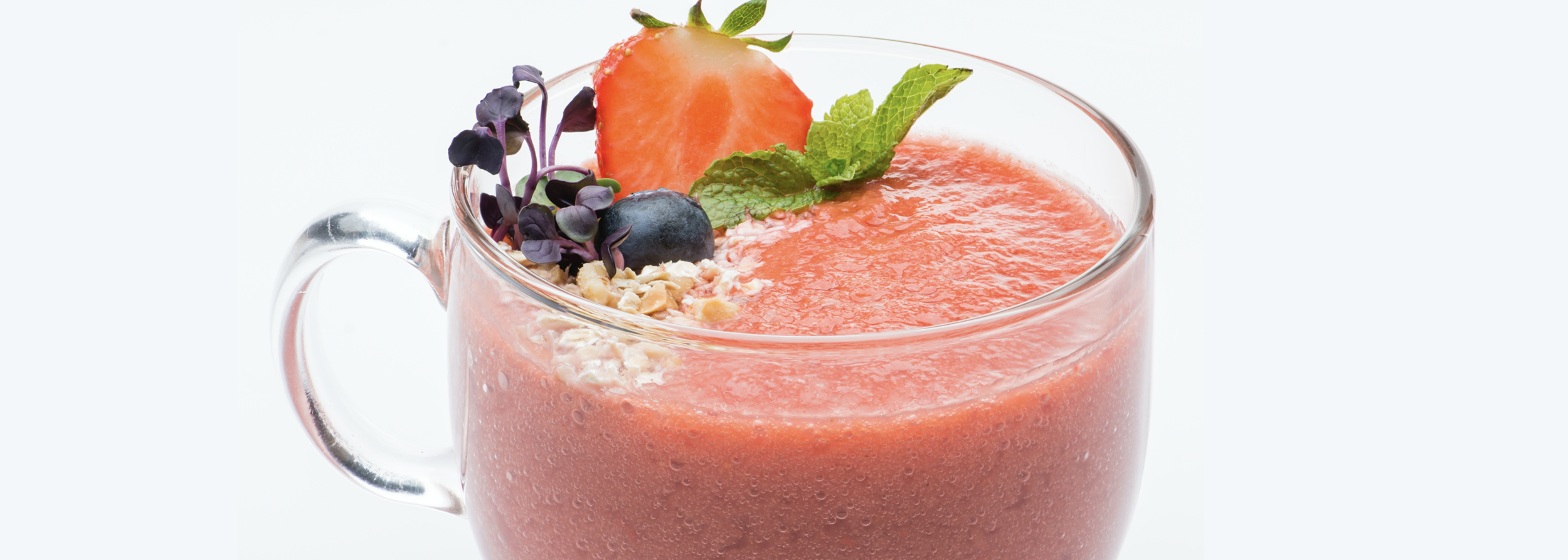



Lycopene is a carotenoid pigment which is extracted from tomatoes. It is also naturally occurring in sources such as watermelon and pink grapefruit, but it is the form from tomatoes which is most prevalent and is approved and allowed commercially in the US. It is oil soluble in its inherent state and can be emulsified in order to allow for it to be used in water based applications. Lycopene is one of the “redder” carotenoids available and provides an orange to reddish orange shade in application.
Additional forms of Lycopene are now commercially available which are Nature Identical and also derived via fermentation from the fungus, Blakeslea trispora. However, these forms are allowed in countries outside of the US. These forms are essentially the same as the form extracted from tomatoes and are also used for a wide variety of food applications.
Applications
Prepared Foods
Dairy
Yogurt
Confectionery
Beverages