

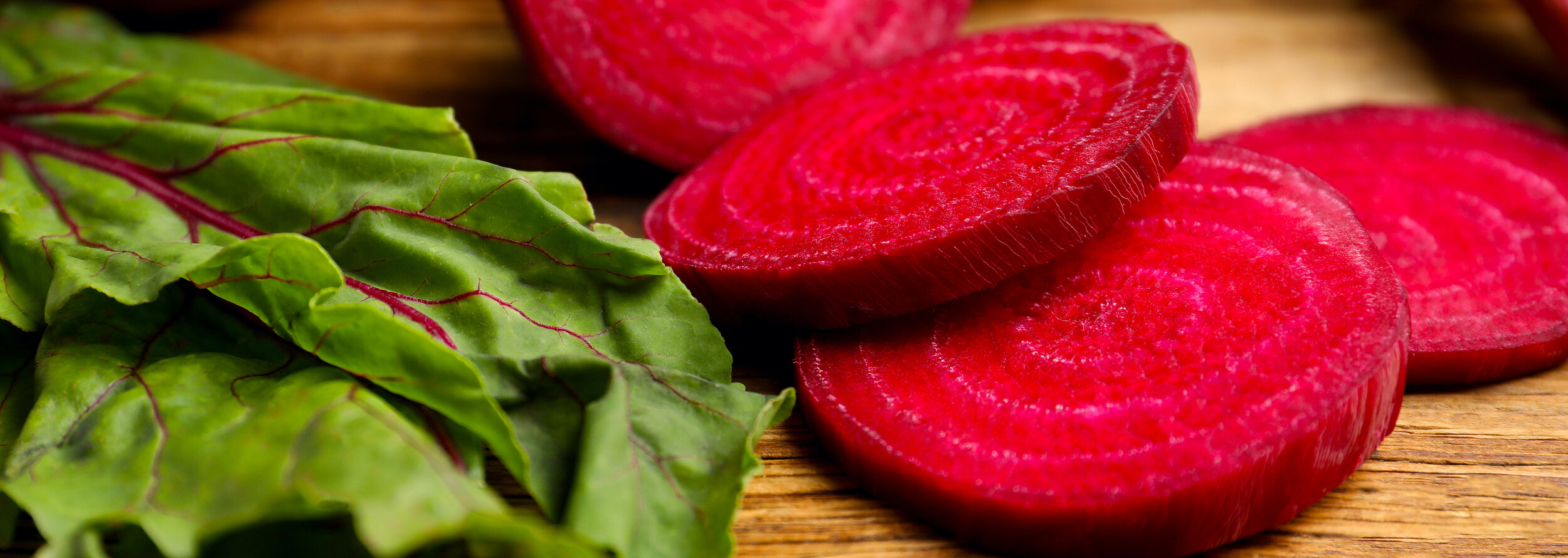

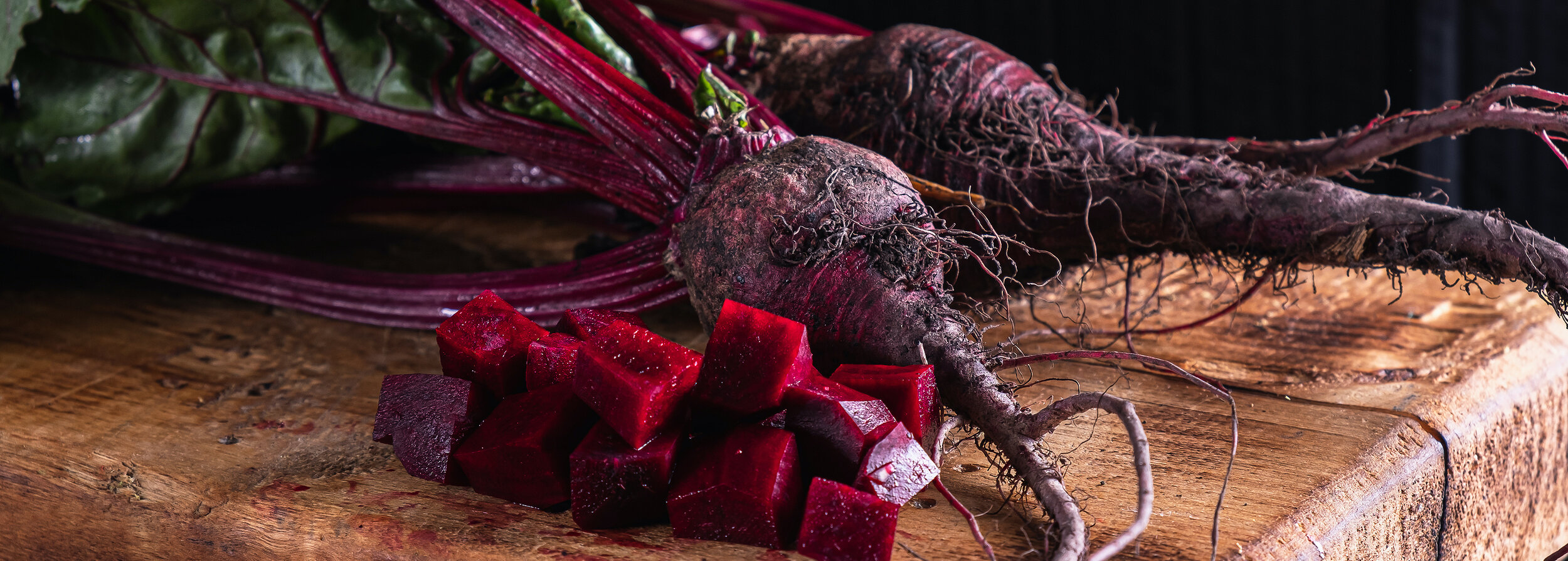
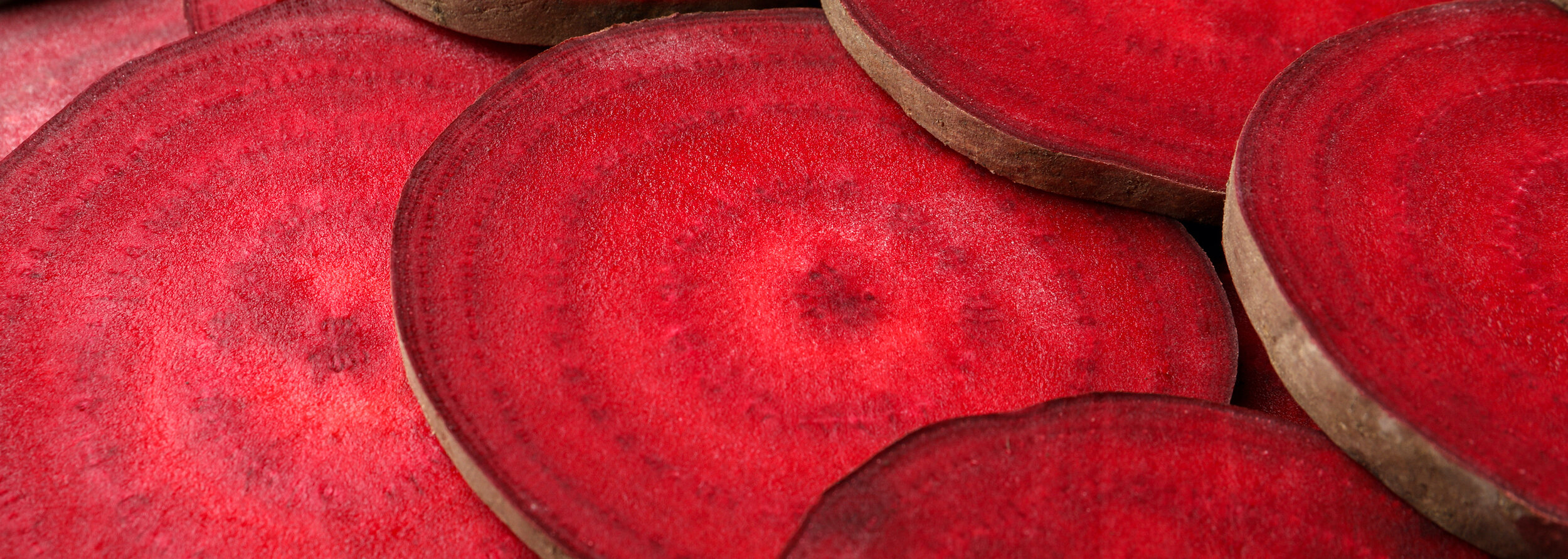
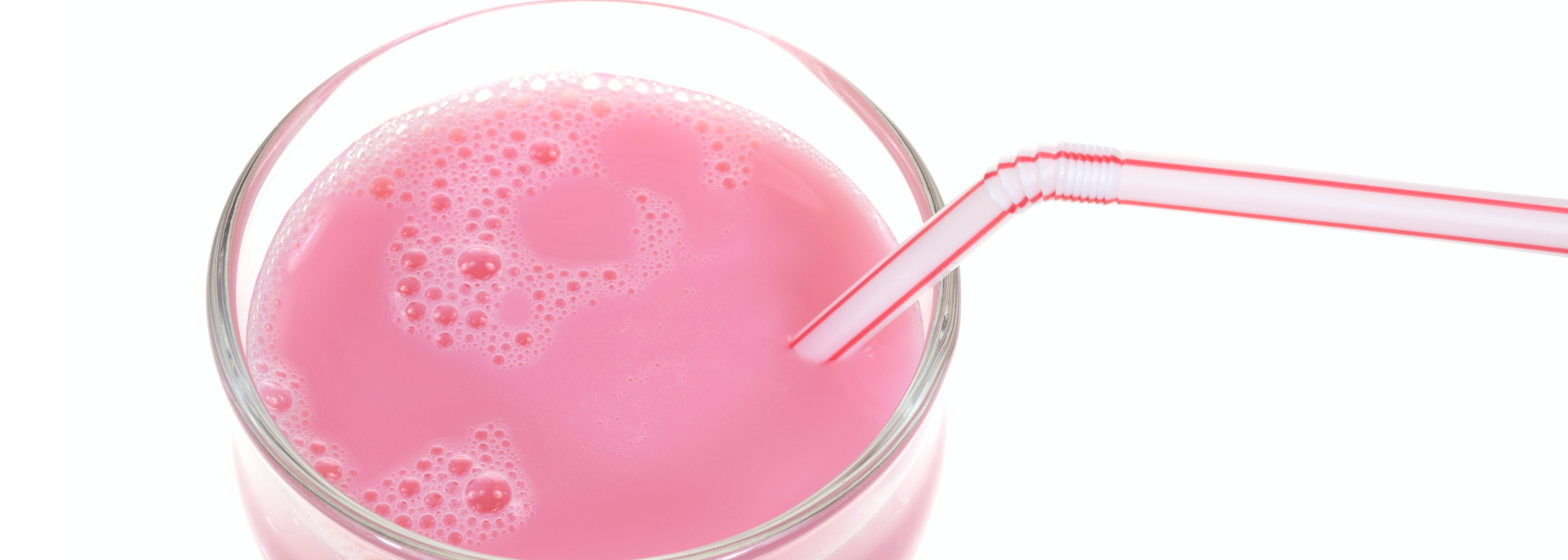
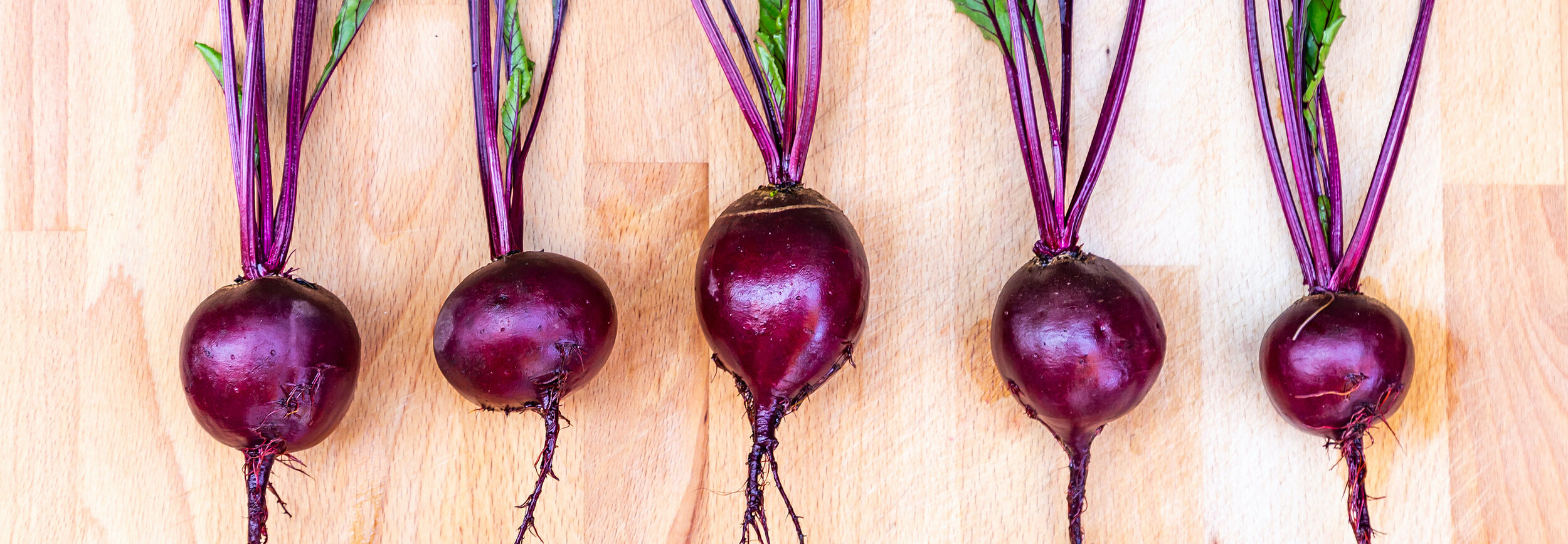

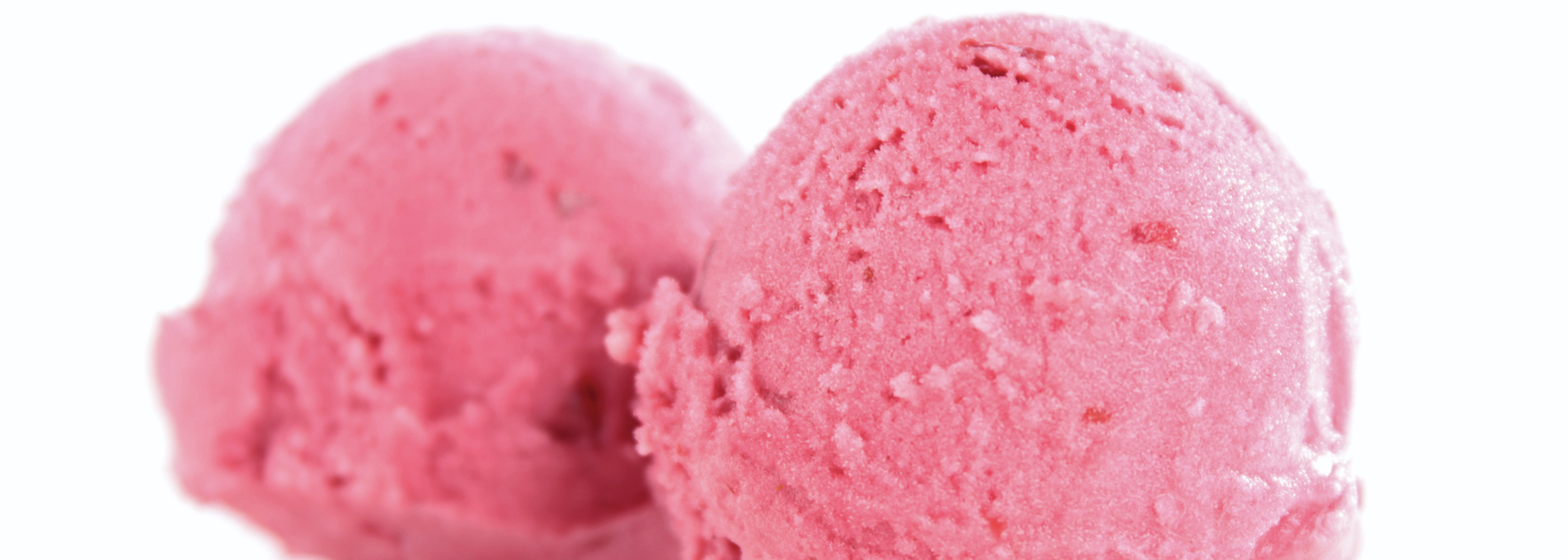



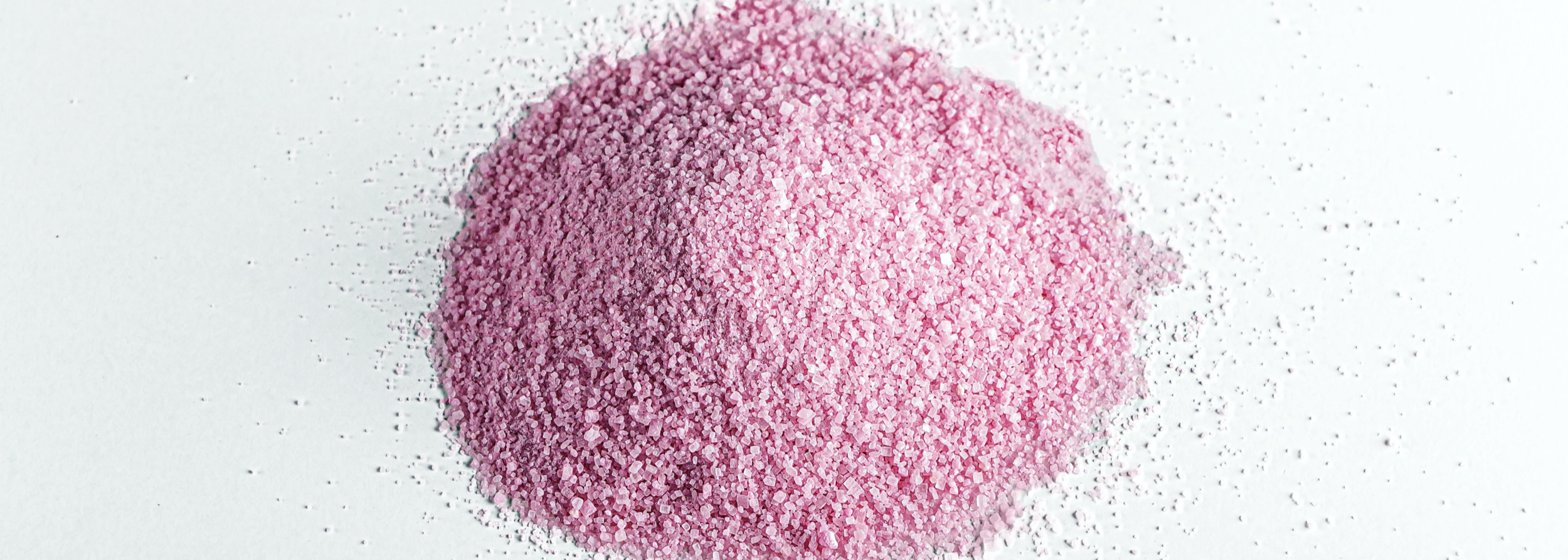


Red Beet is simply expressed from red beets (Beta vulgaris) to provide the pigment known as Betanin, which is in the Betalain pigment classification. Red Beet is water soluble and is available in both powder and liquid market forms.
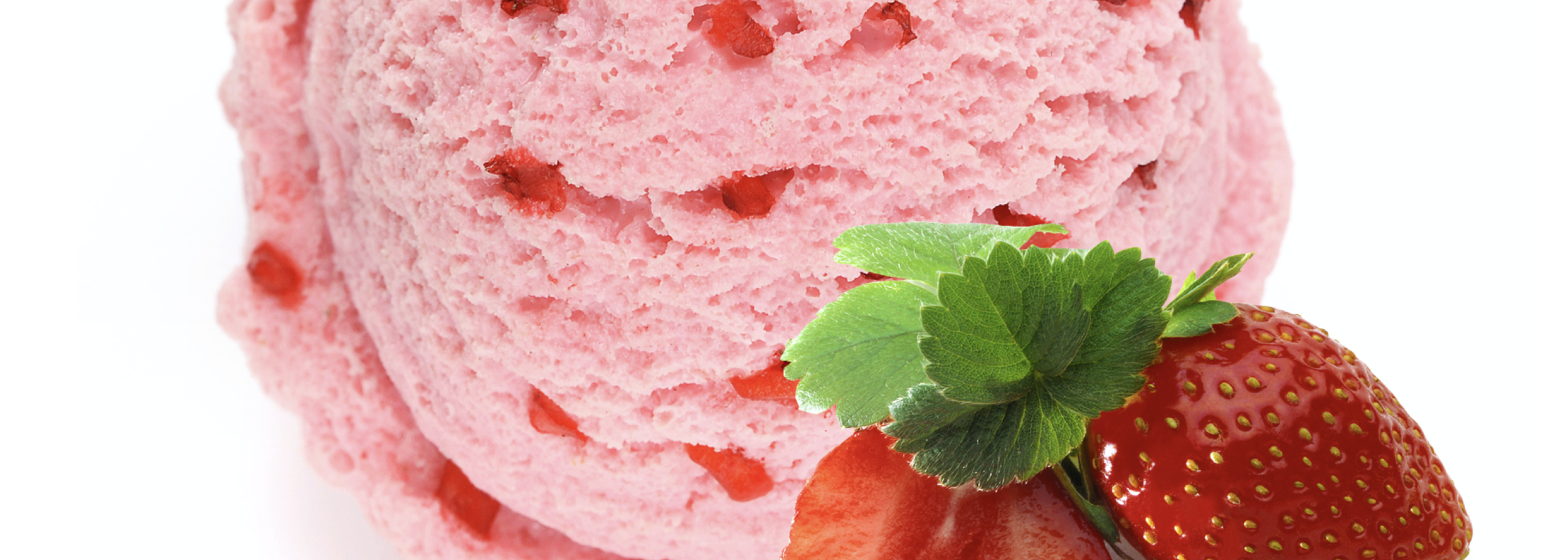
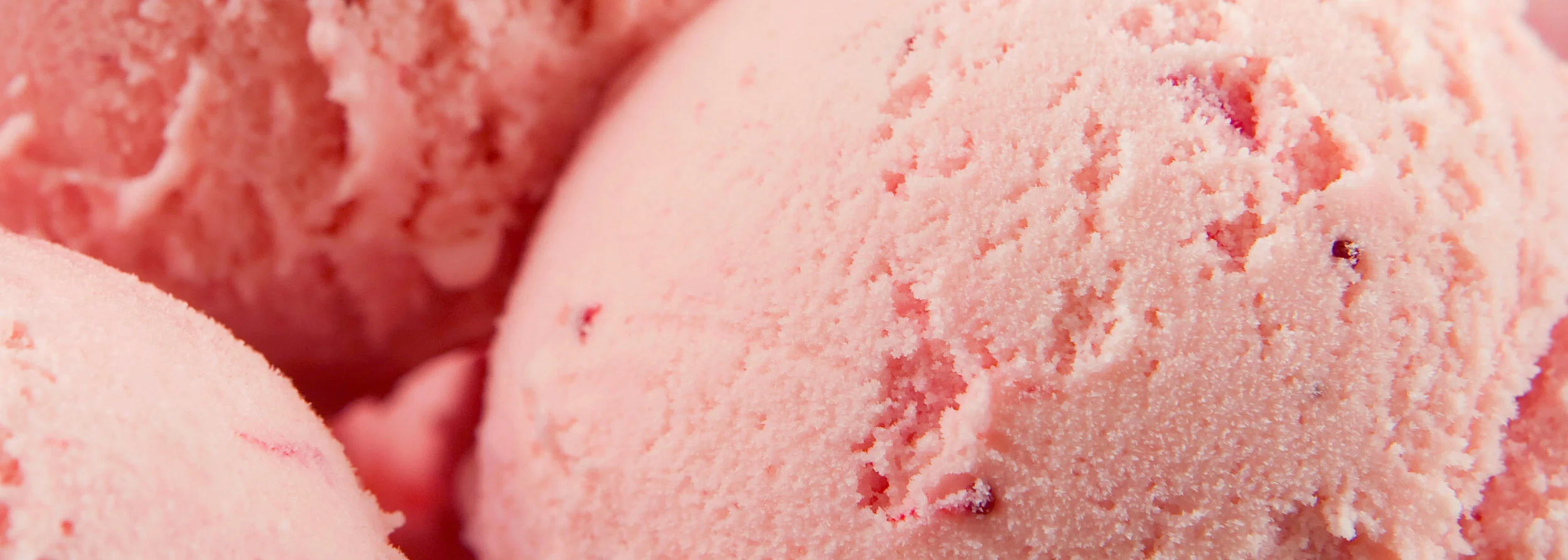
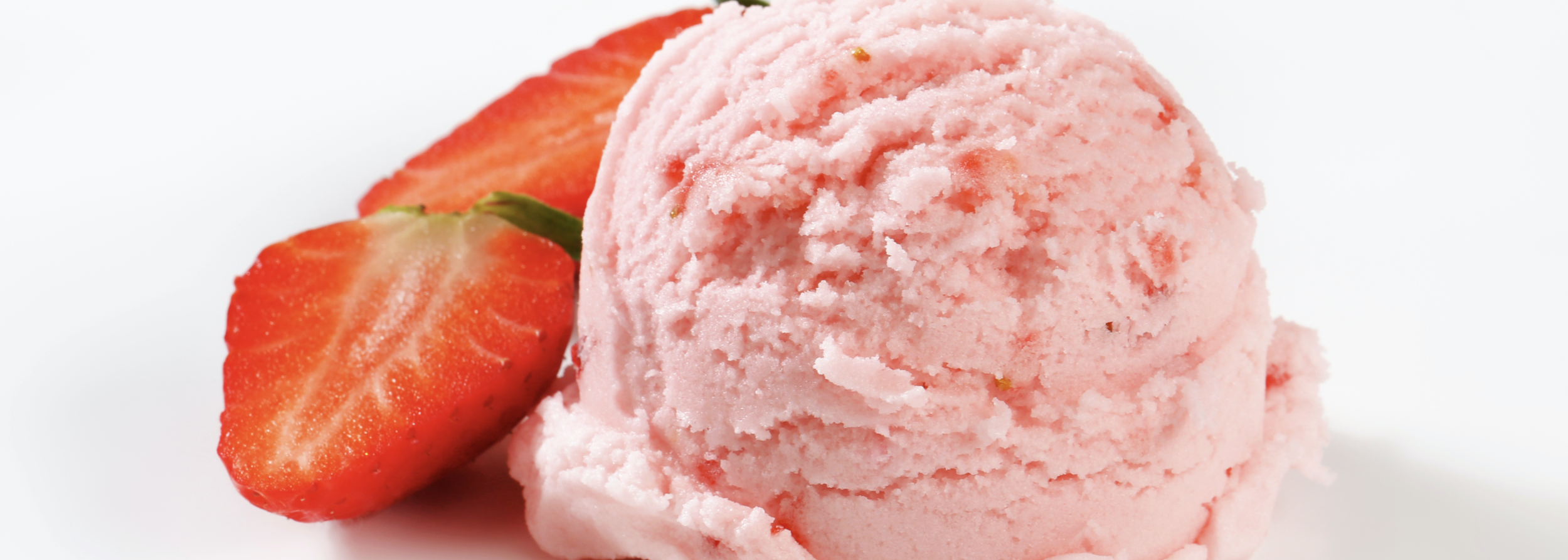
Red Beet is used mostly for applications with low water activity, such as ice cream or frozen desserts, dry mixes, and some confectionary applications. It provides bright bluish red to pink shades in application.
Applications
Frozen Desserts
Yogurt
Water Ices
Ice Cream
Confectionery
Dry Mixes
Nutraceutical Mixes

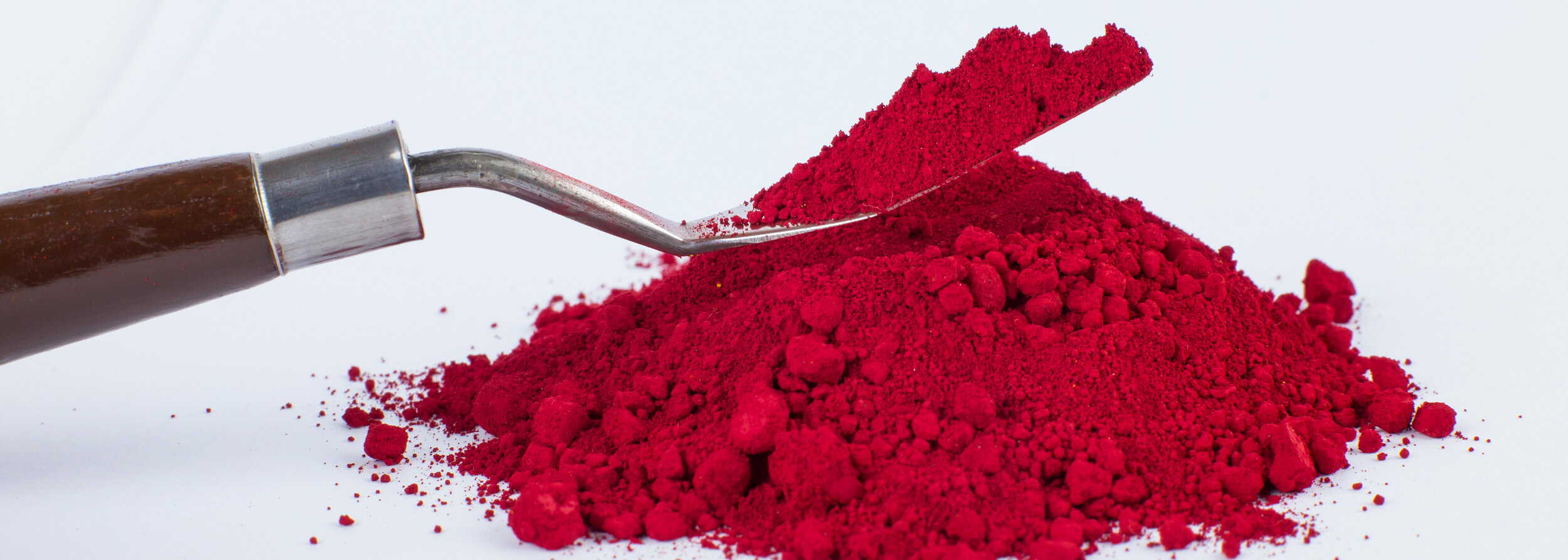

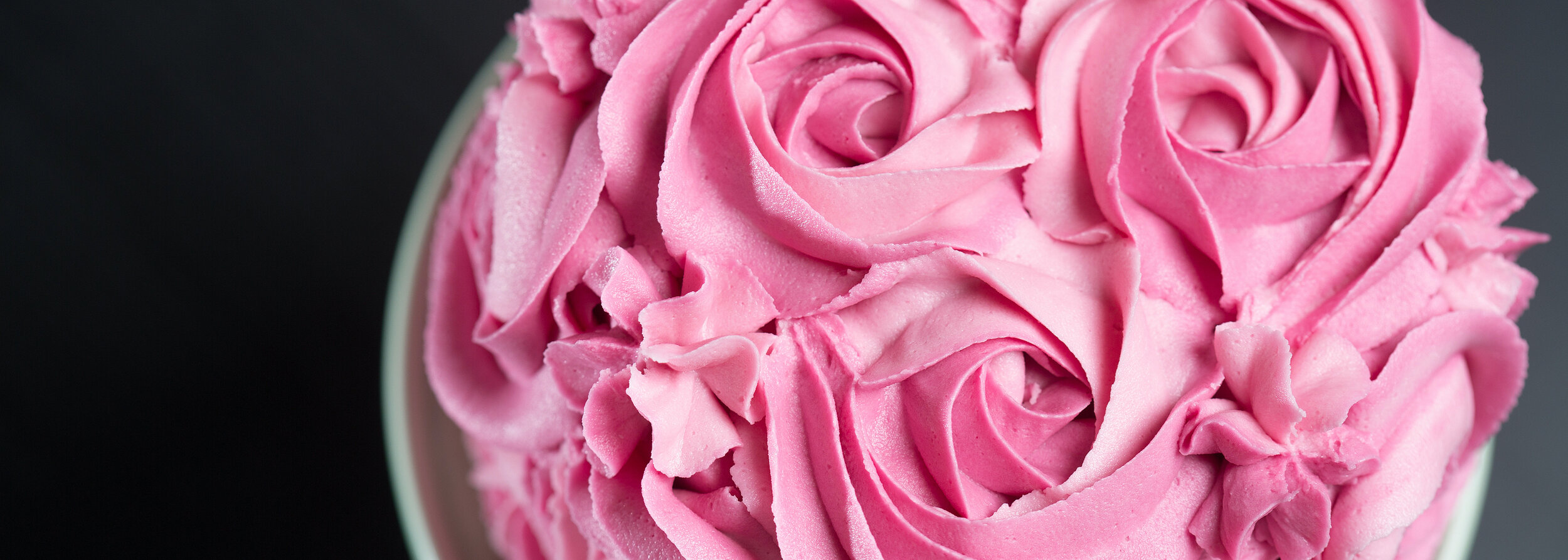










Carmine is sourced primarily in Latin America, in Peru mostly, and has been used historically for applications like coloring textiles, pottery, cosmetics, and of course also for coloring foods. The colorant is extracted from the female cochineal insect, Dactylopius coccus costa, and lives only on the prickly pear cactus, Opuntia ficus indica. The colonies of insects are pictured as white patches on the cacti. The coloring component is Carminic Acid.
Carmine and Cochineal Extract are able to provide bright and stable shades, ranging from orange to deep reds and magenta, to even purple shades, depending on the application. Carmine is the only FDA approved Exempt Color lake. The Carmine lake can be further converted to various water soluble versions, to be used for a wide range of water based applications. Carmine and Cochineal Extract are available in a wide range of powder, dispersion and liquid forms.
While it is one of the most stable natural colors available in the world, Carmine and Cochineal Extract are often the topic of interesting conversation, due to being sourced and extracted from an insect which grows and colonizes on the cacti. Even today, the cochineal are harvested by hand. While the sourcing is labor intensive, the source itself is very rich in the Carminic Acid colorant and the extraction is very straightforward, typically only requiring water based methods.
Applications
Dairy
Yogurt
Fruit Preparations
Confectionery
Prepared Foods
Bakery
Icings
Sauces
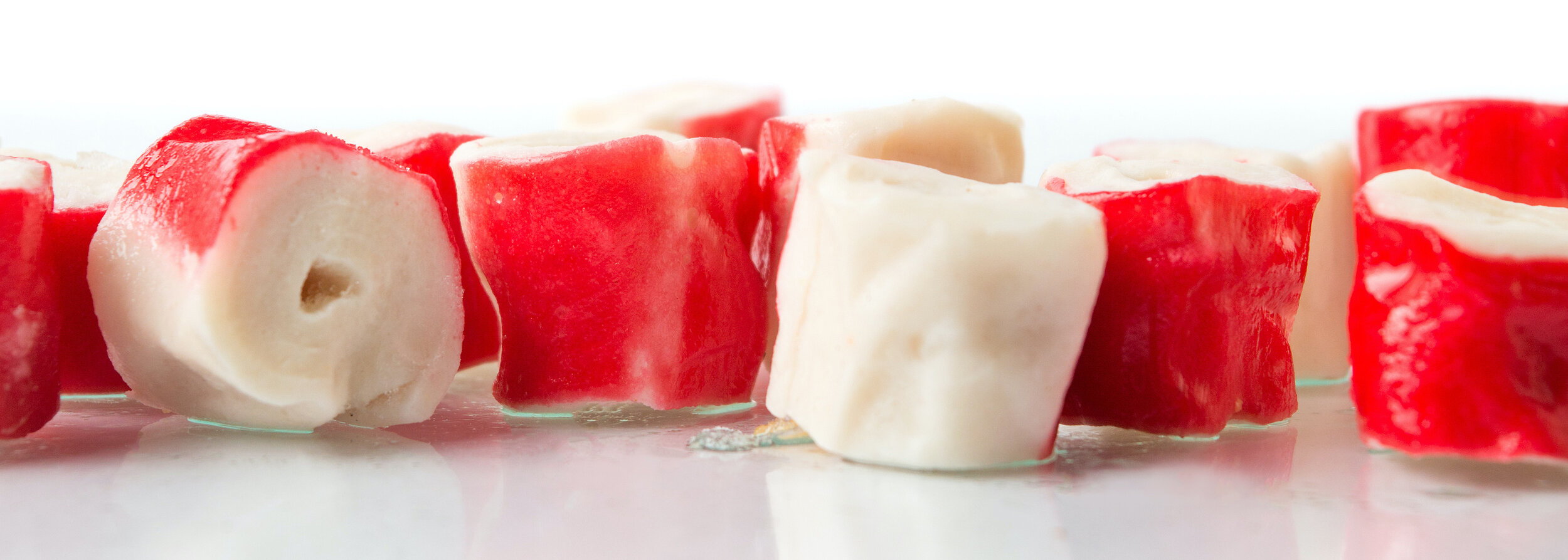
Surimi
Beverages
Cosmetics
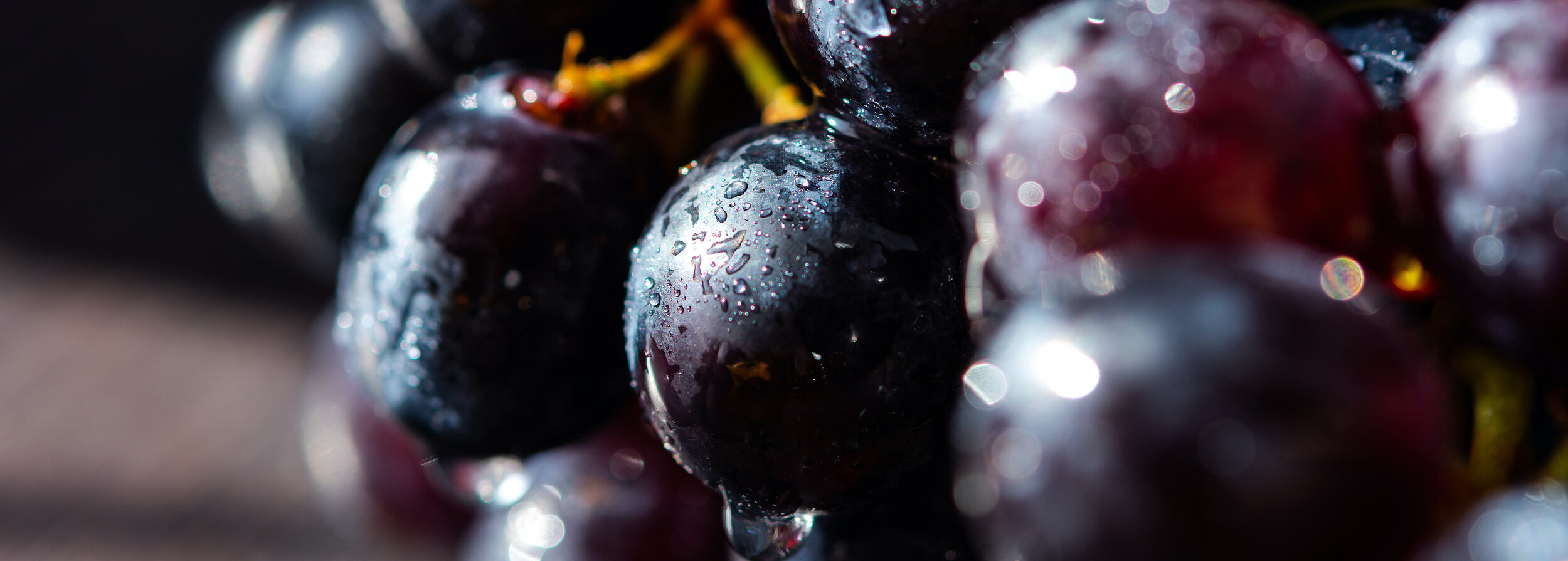
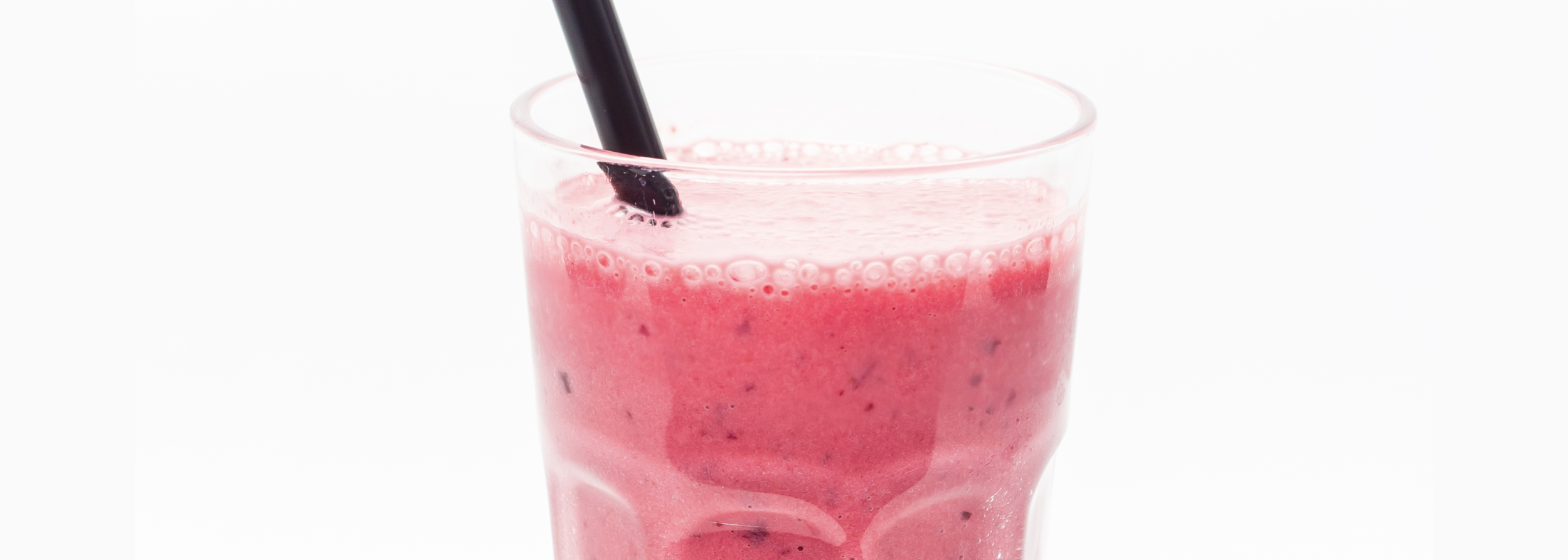
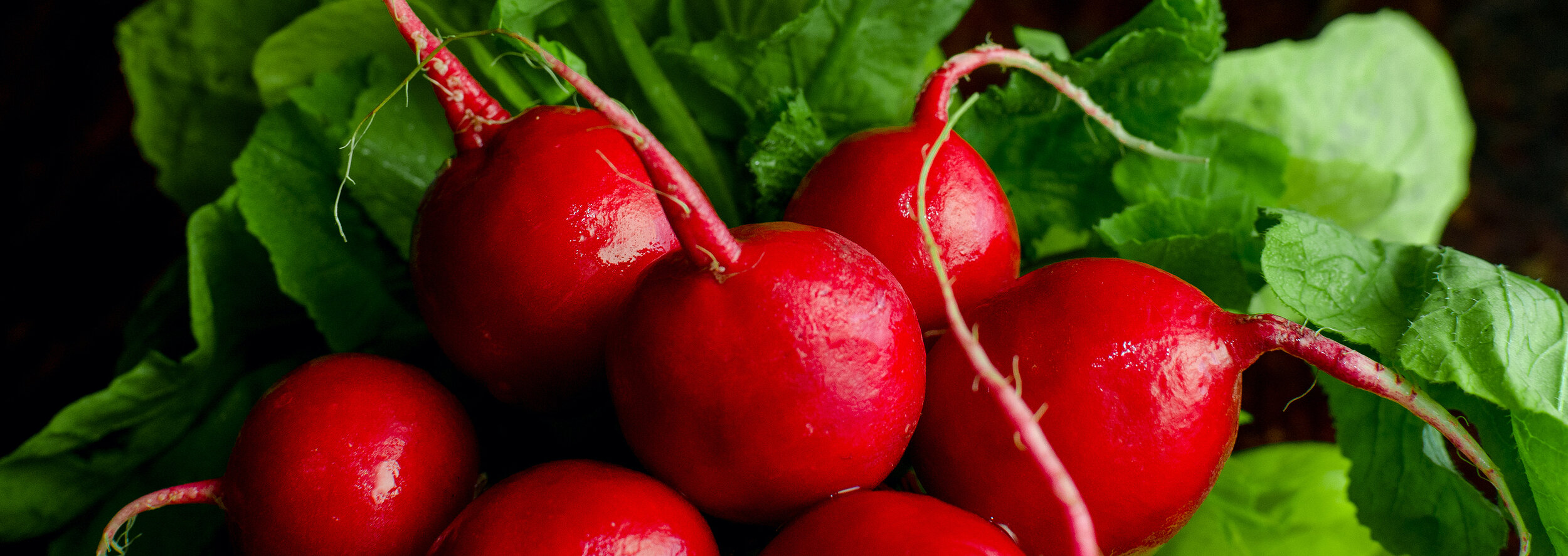
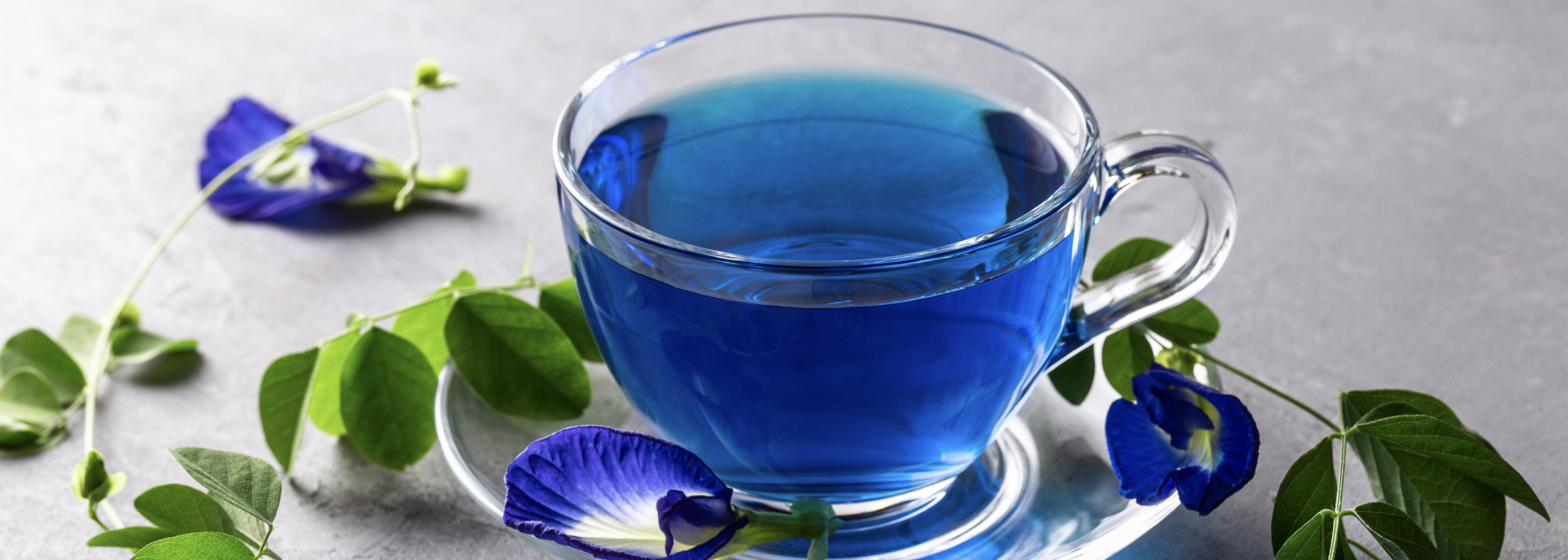
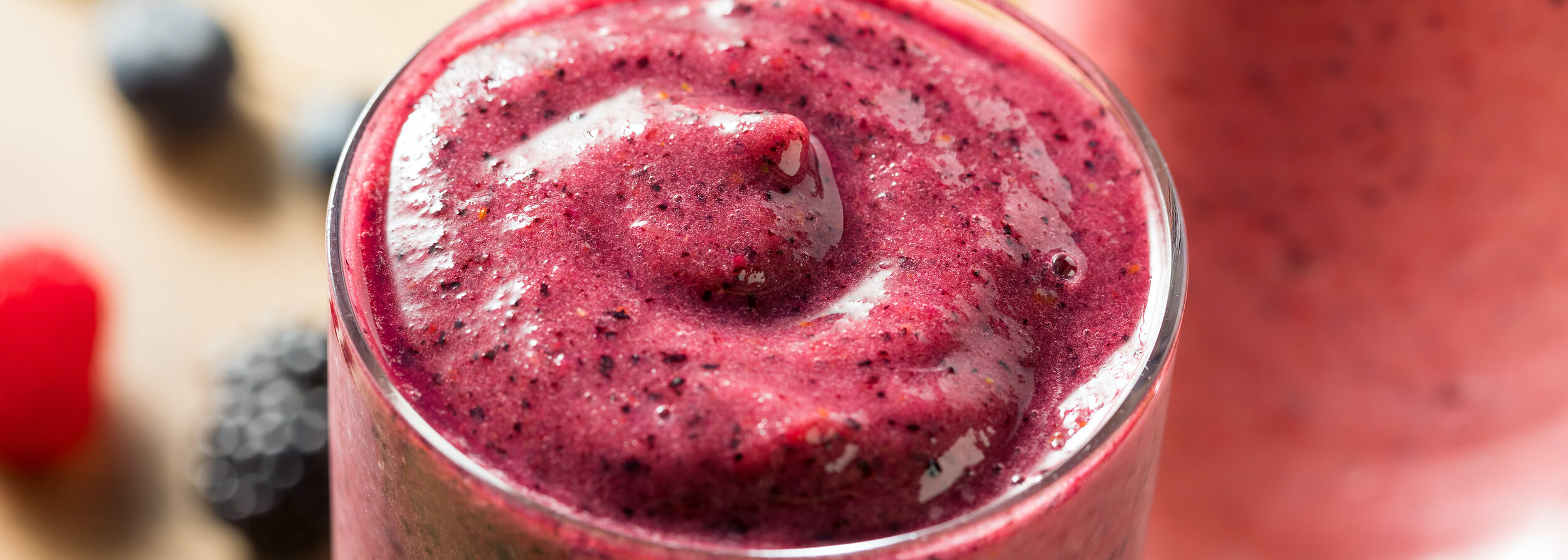
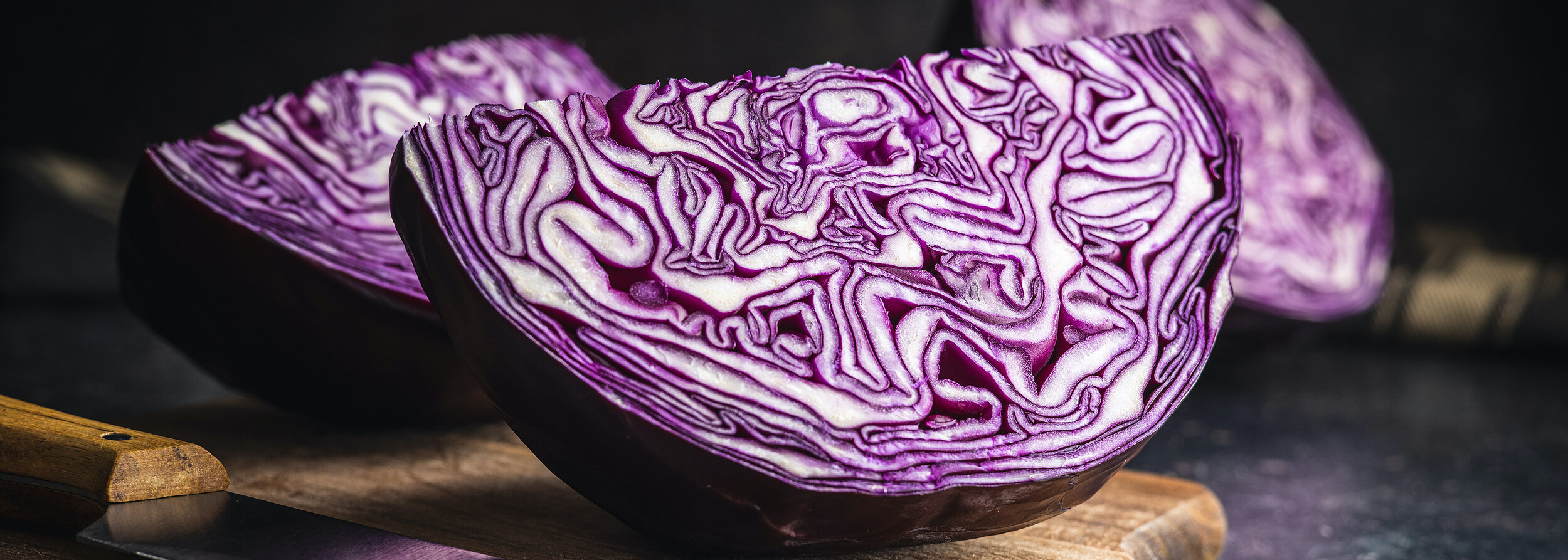
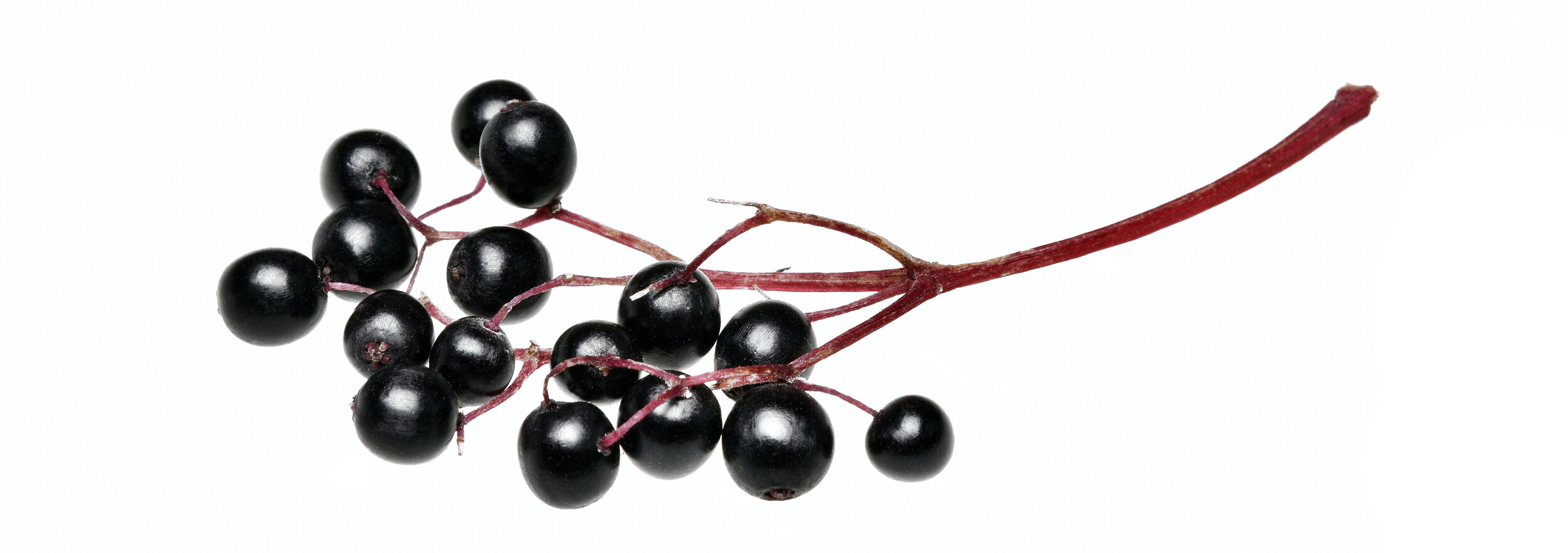
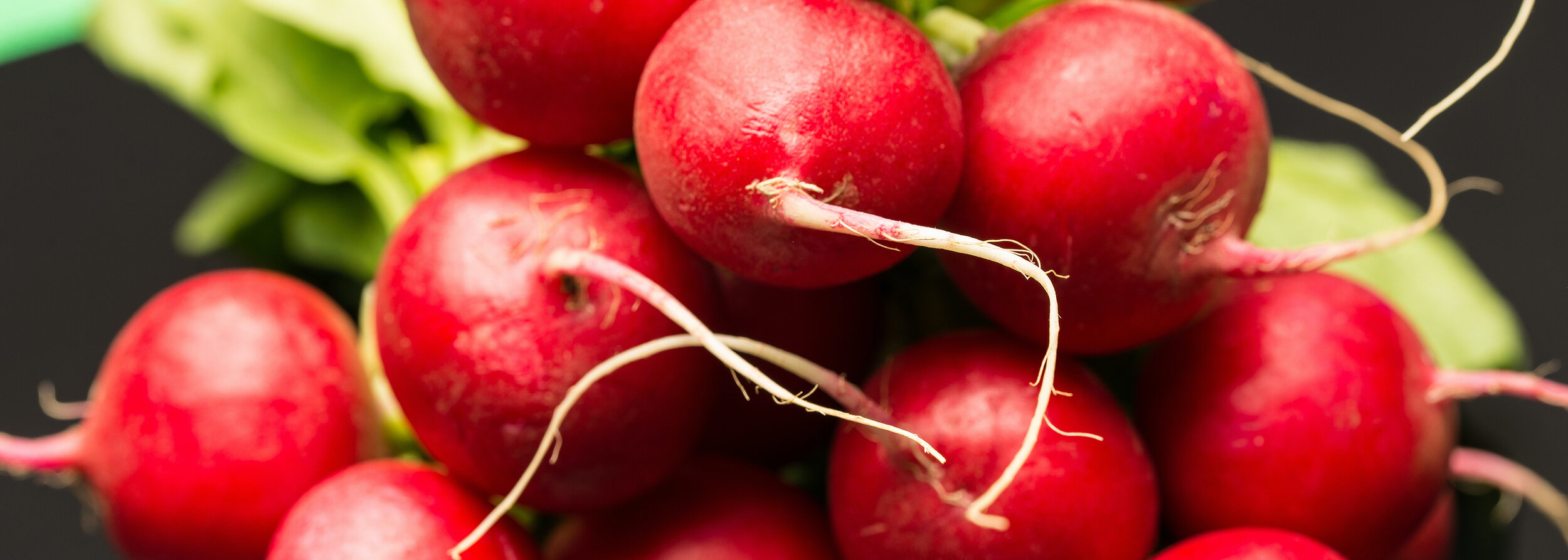
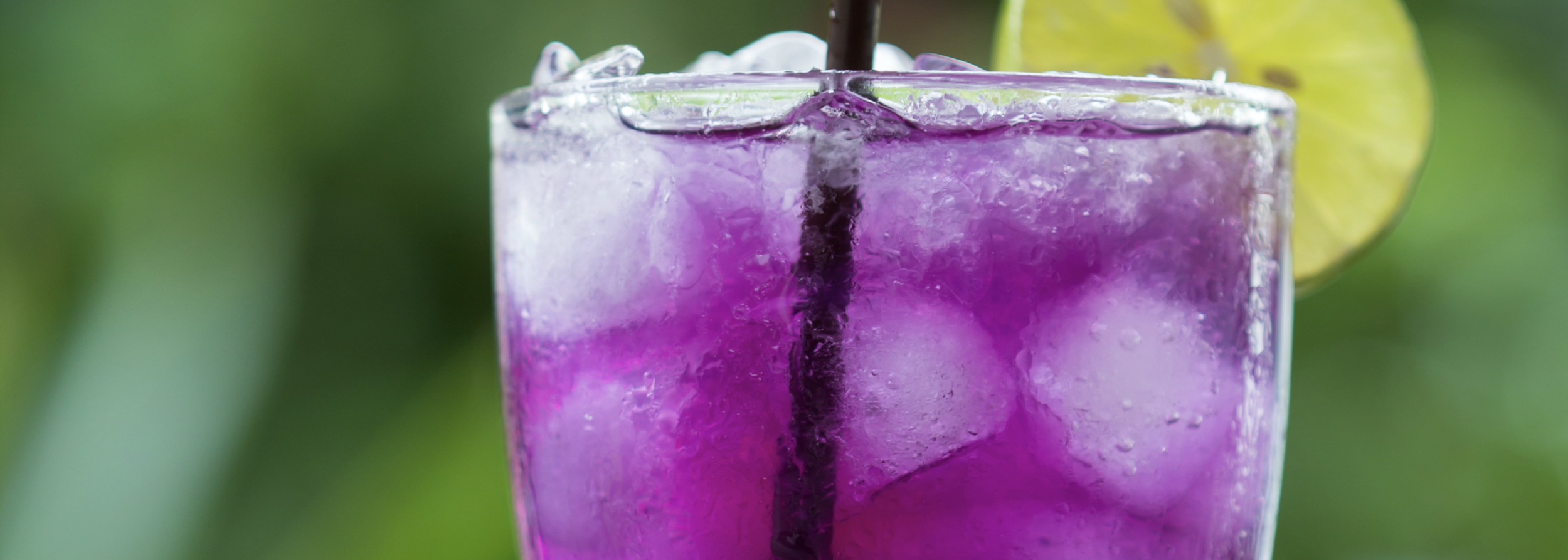
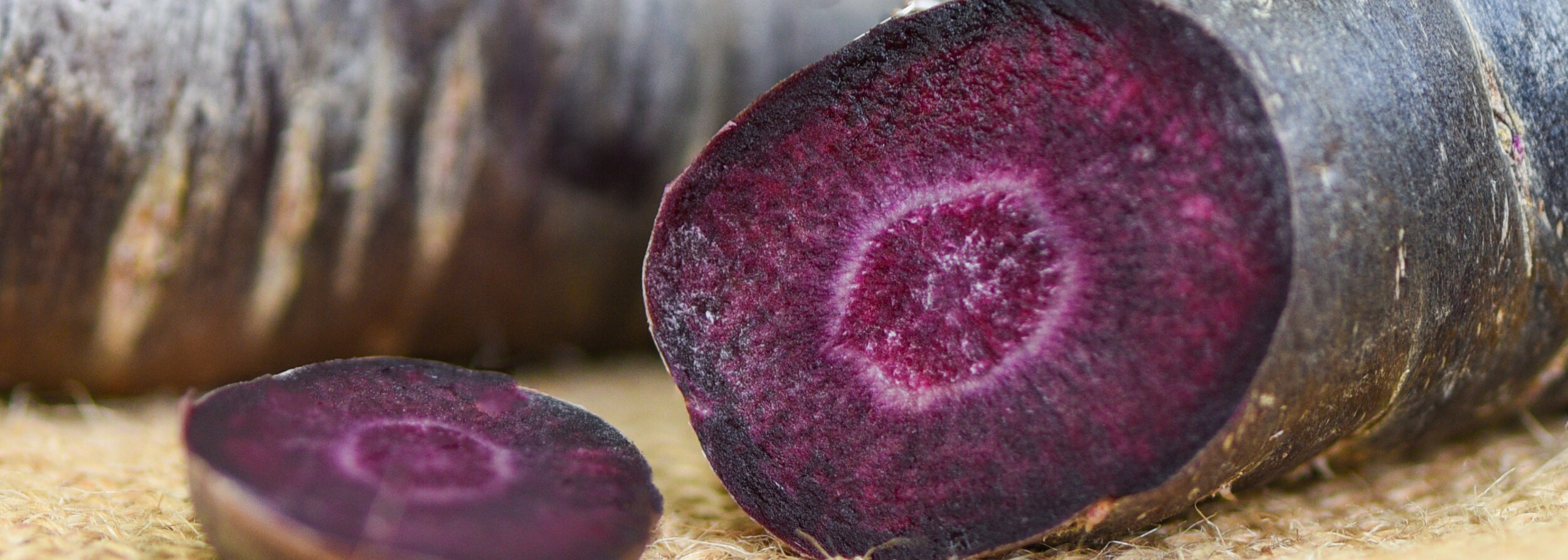
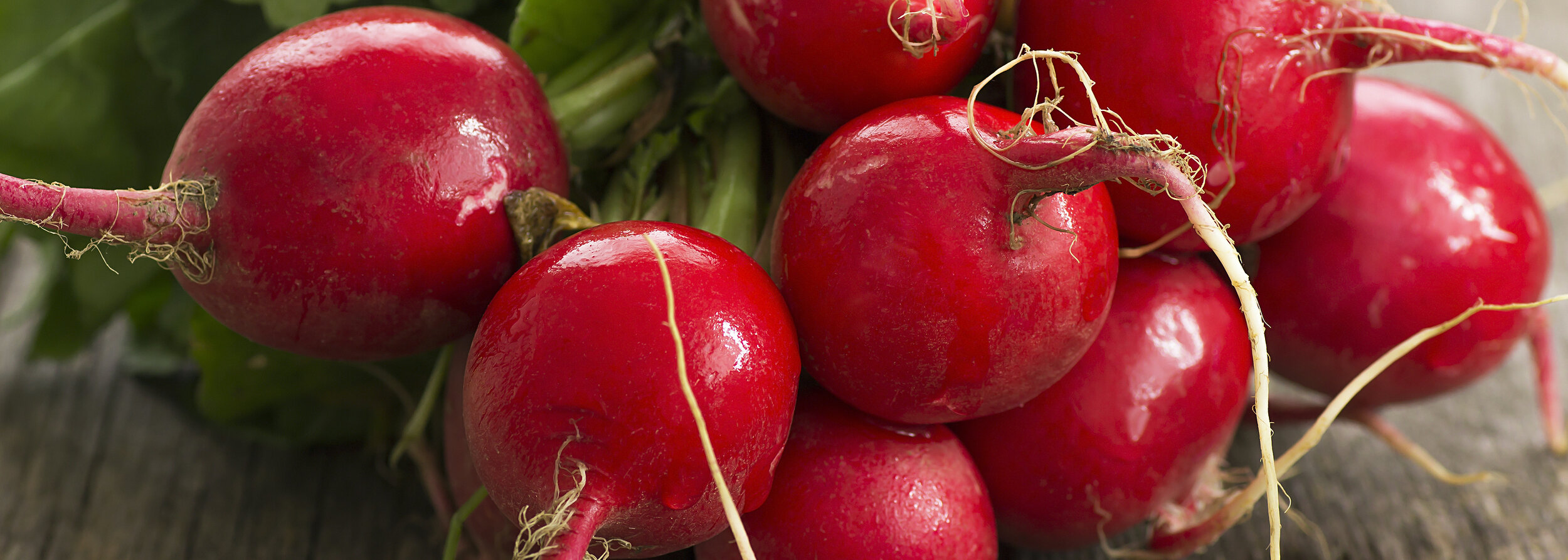
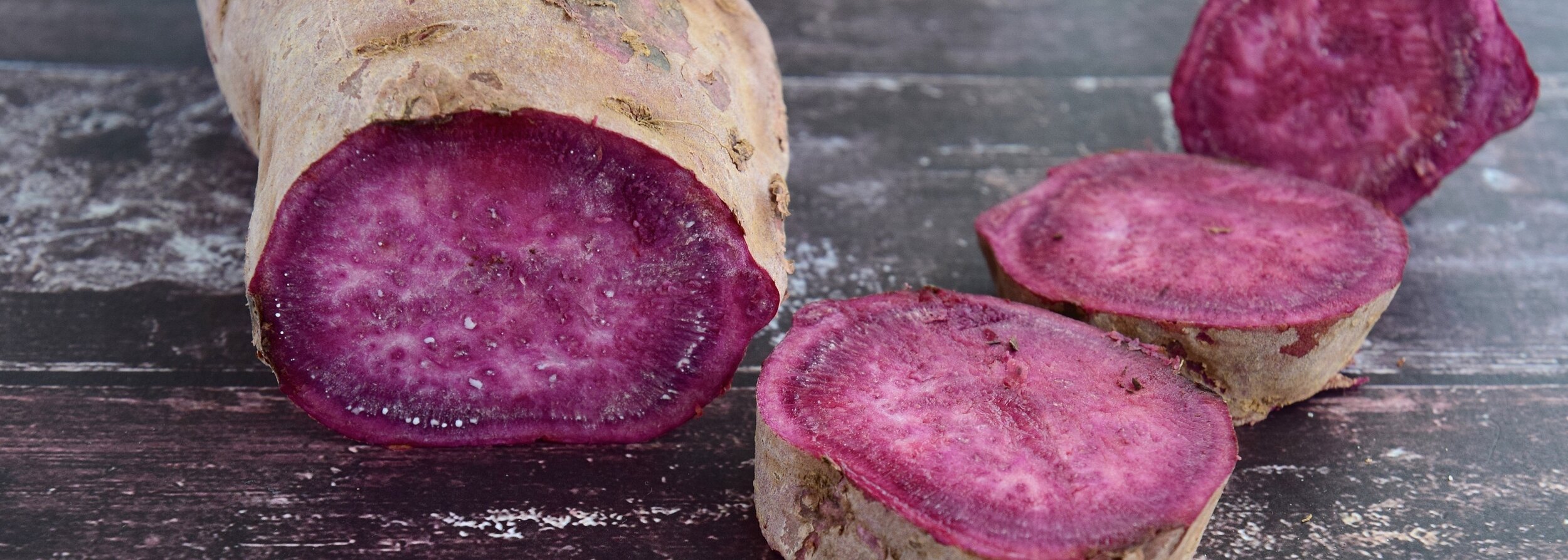
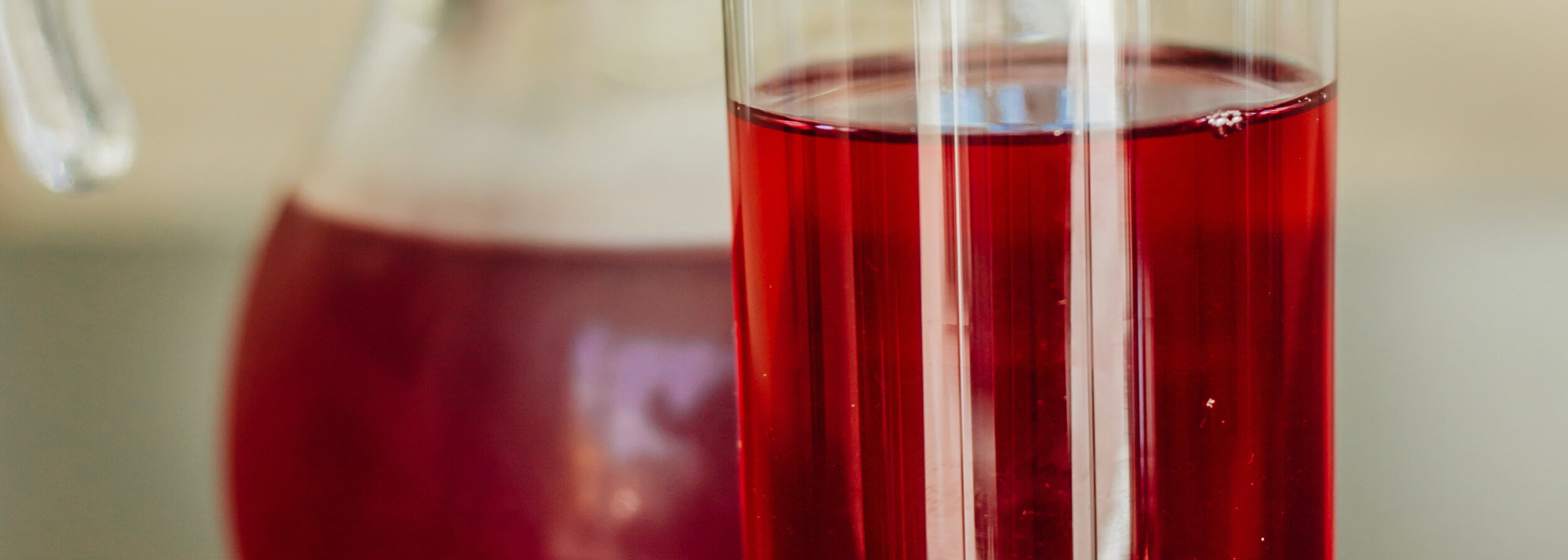
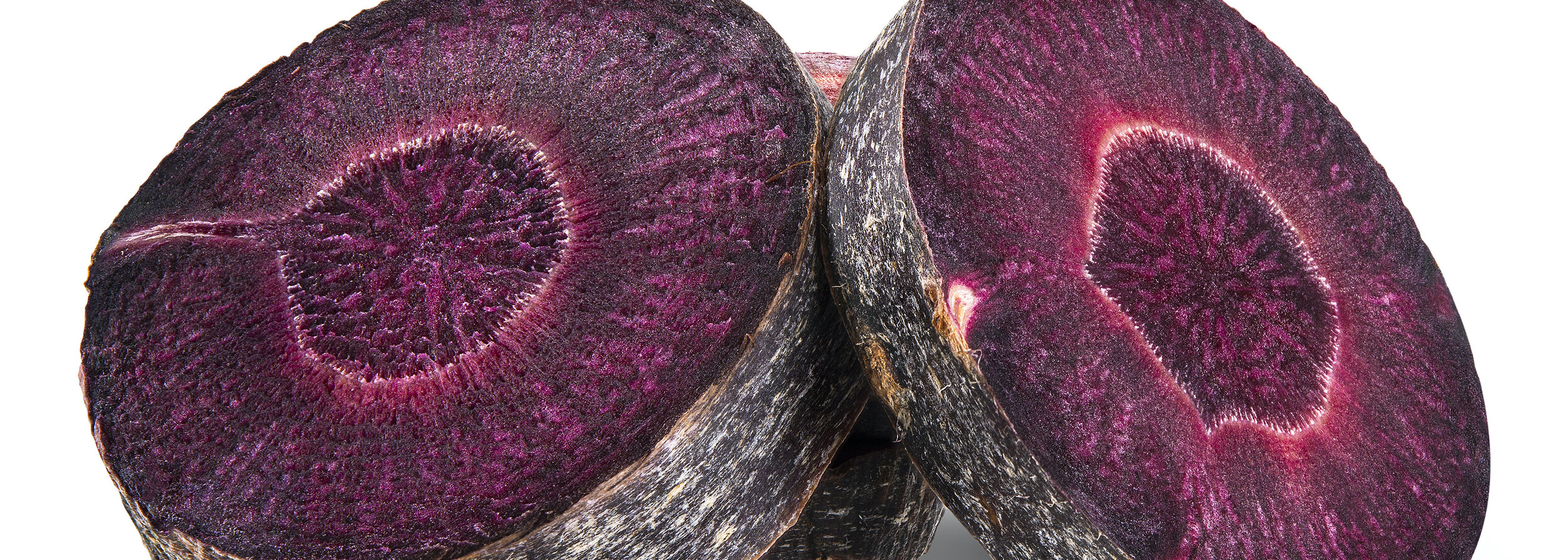
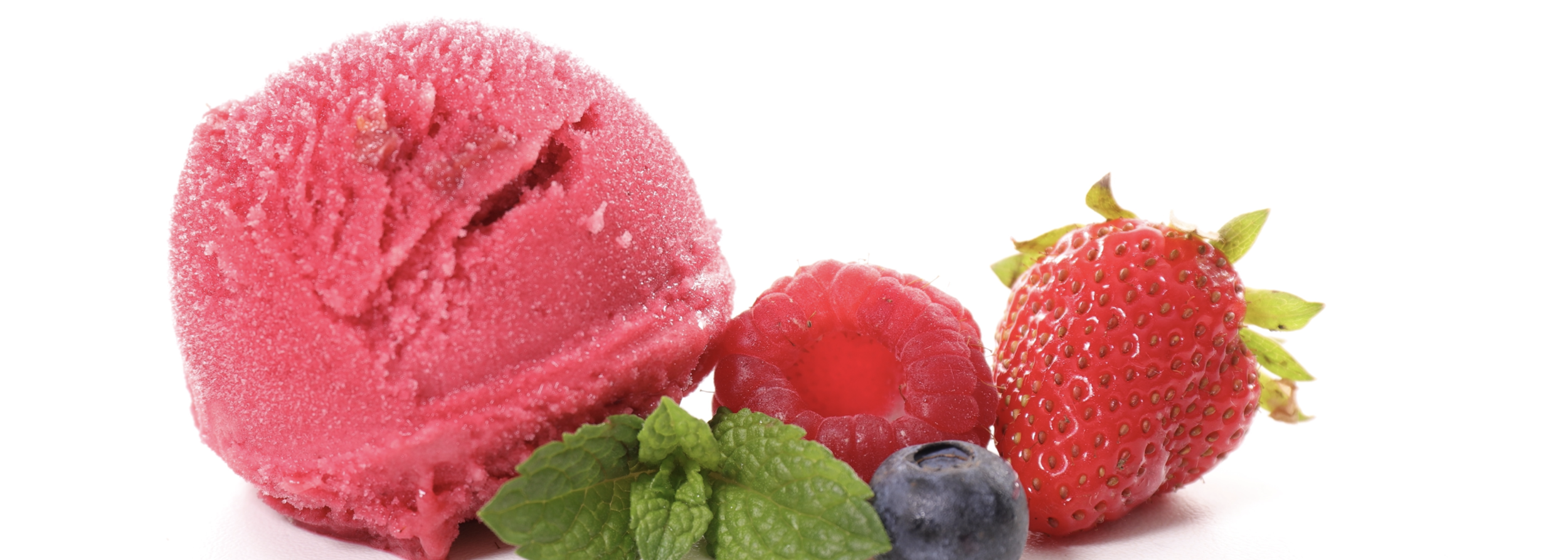
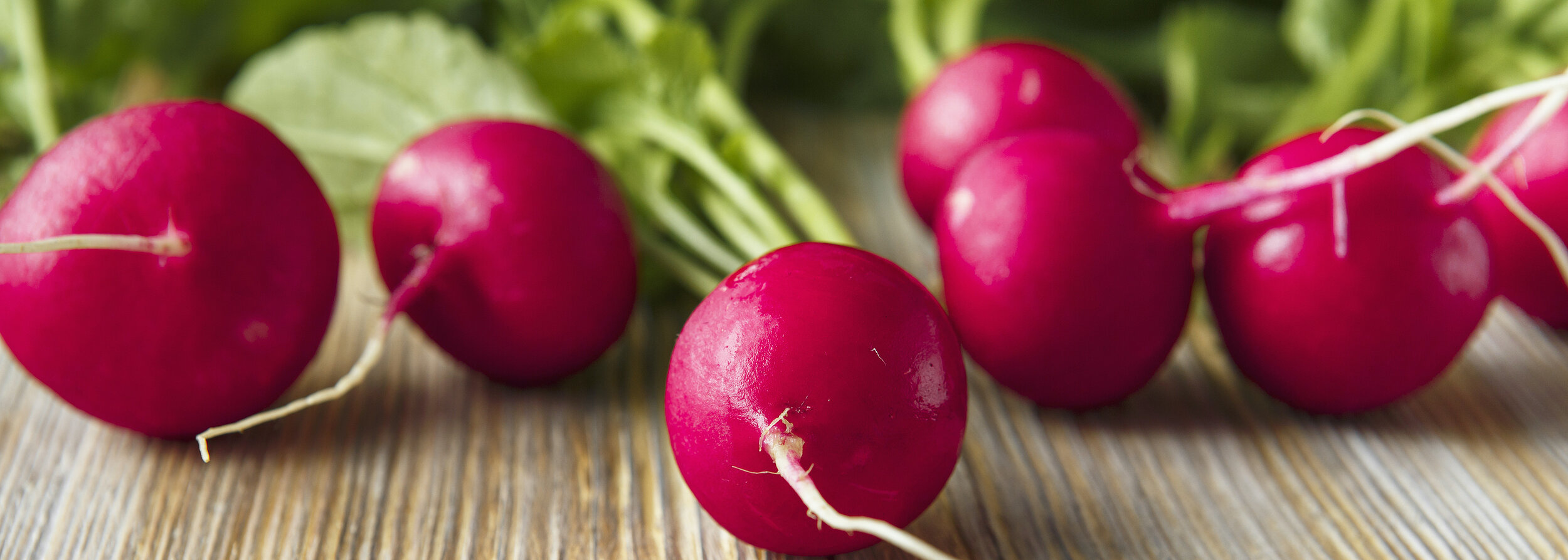
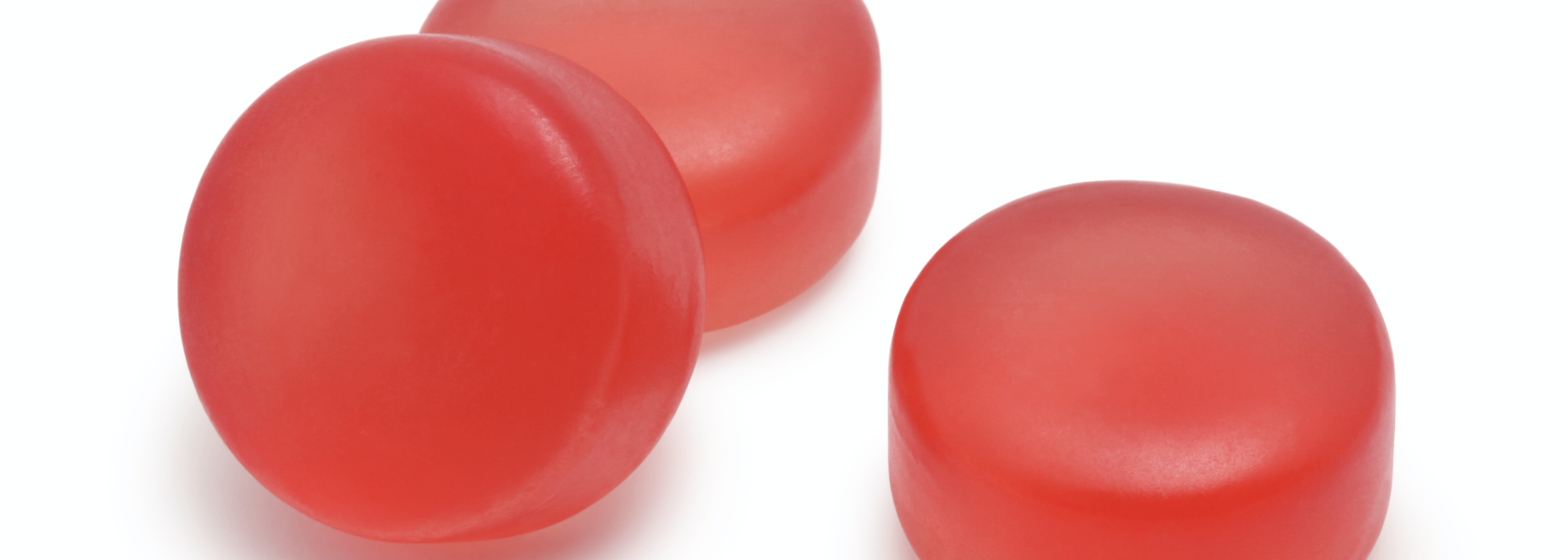

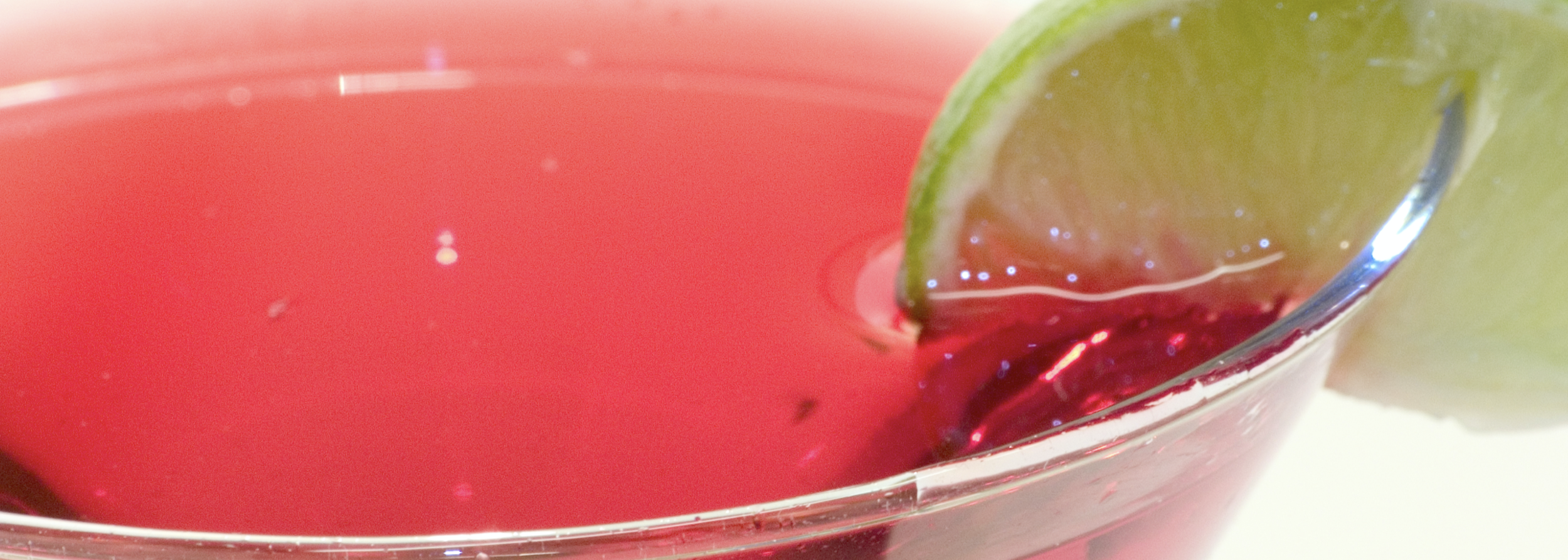
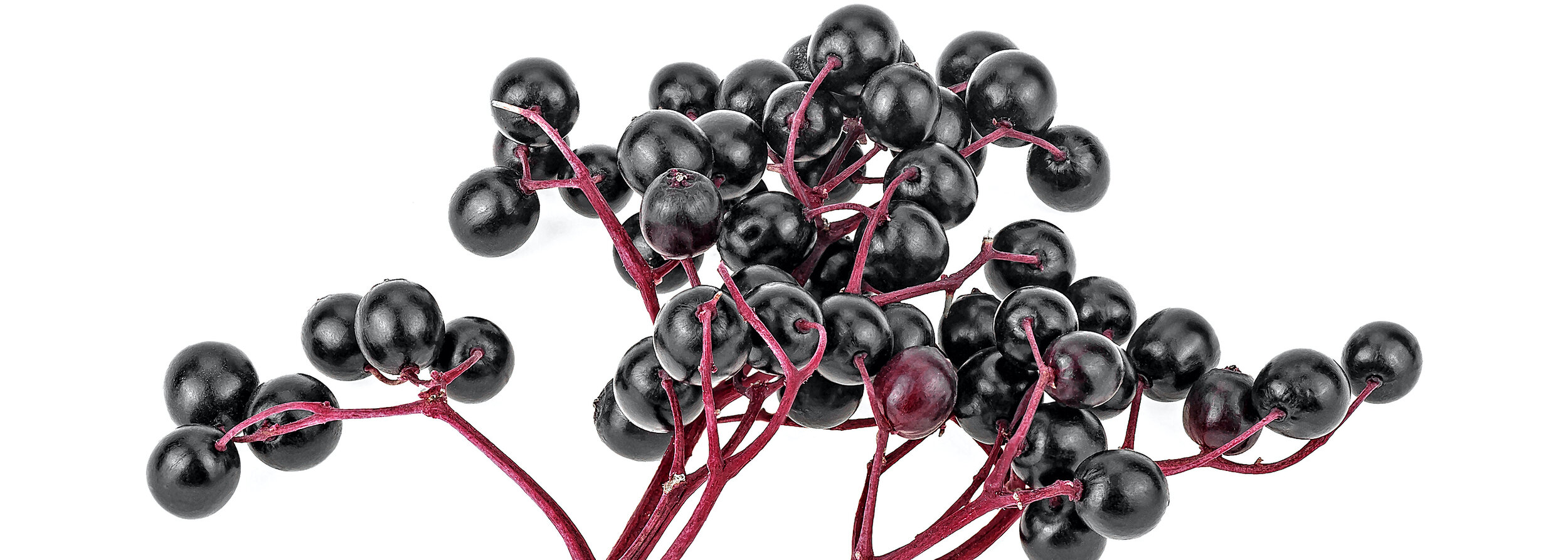

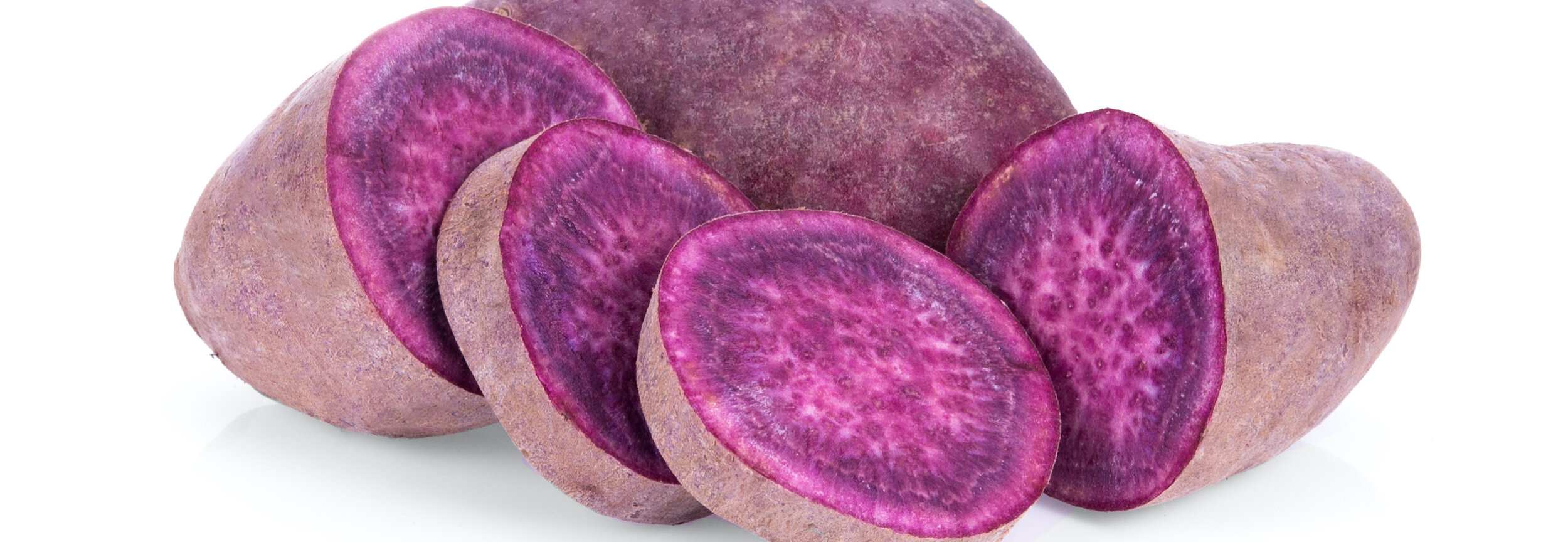


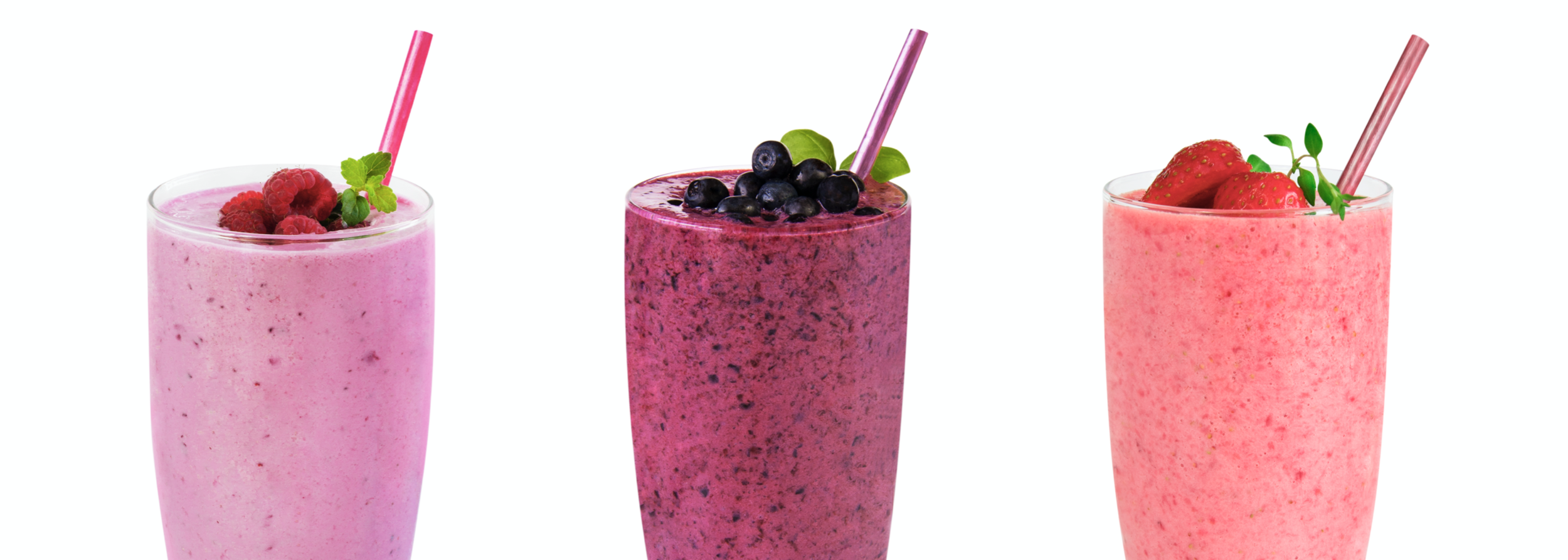

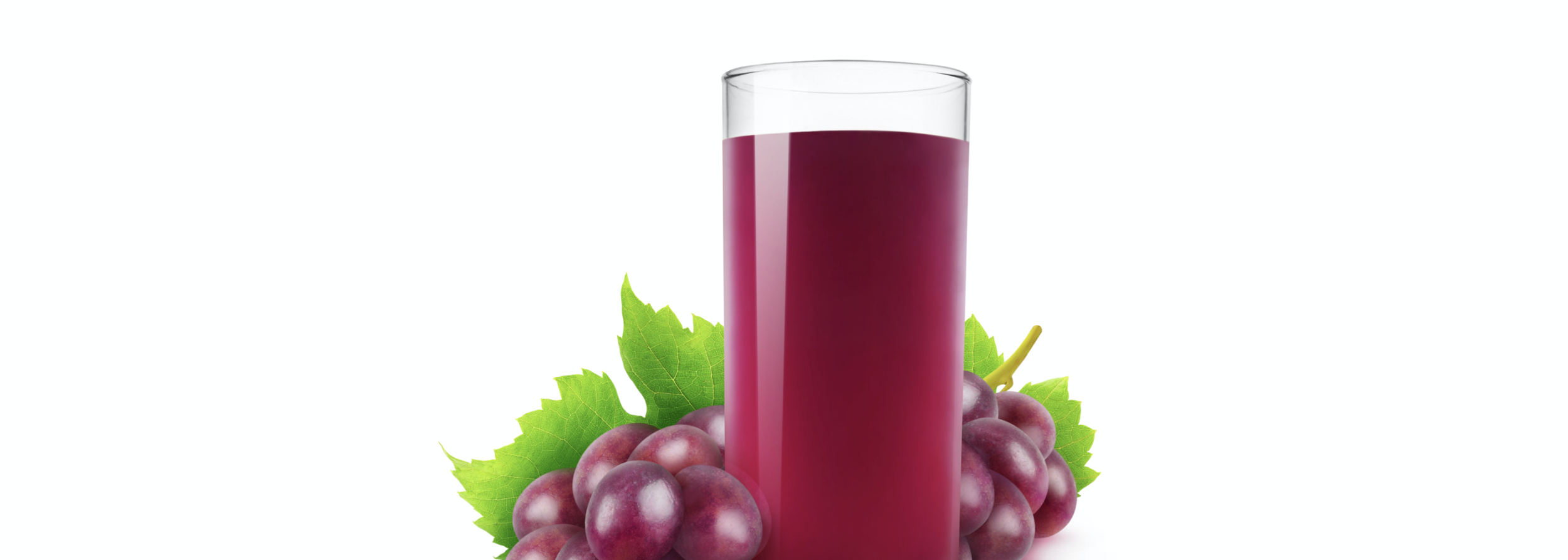



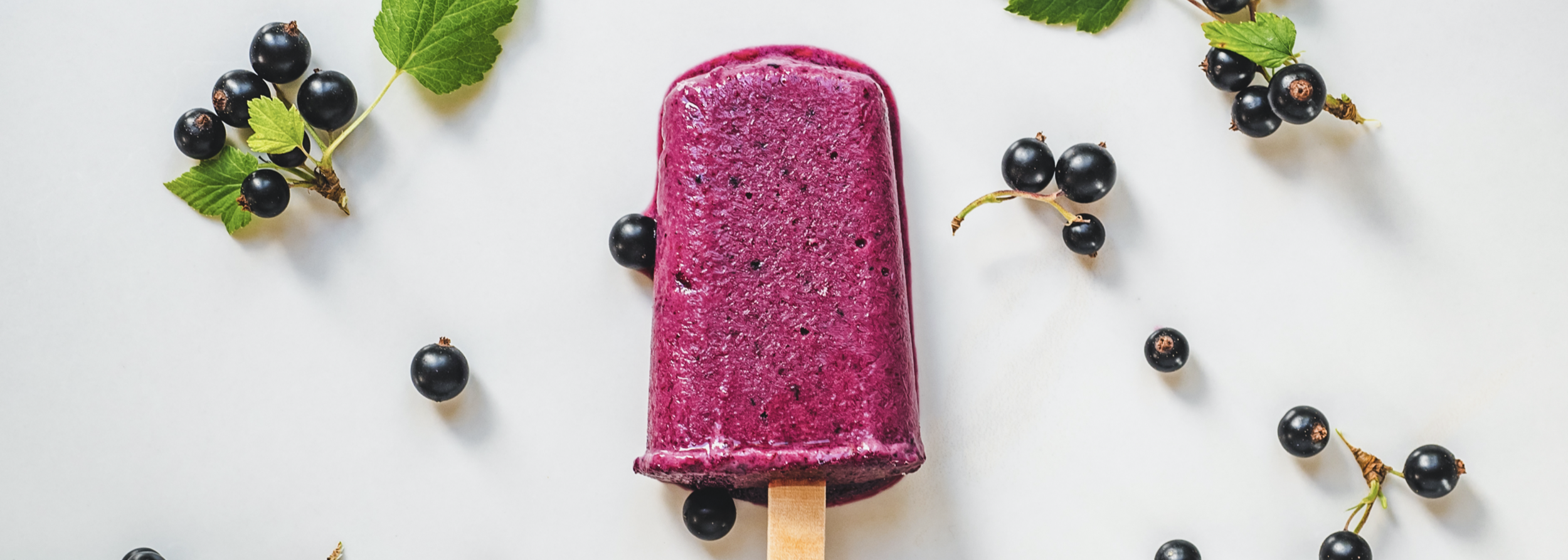
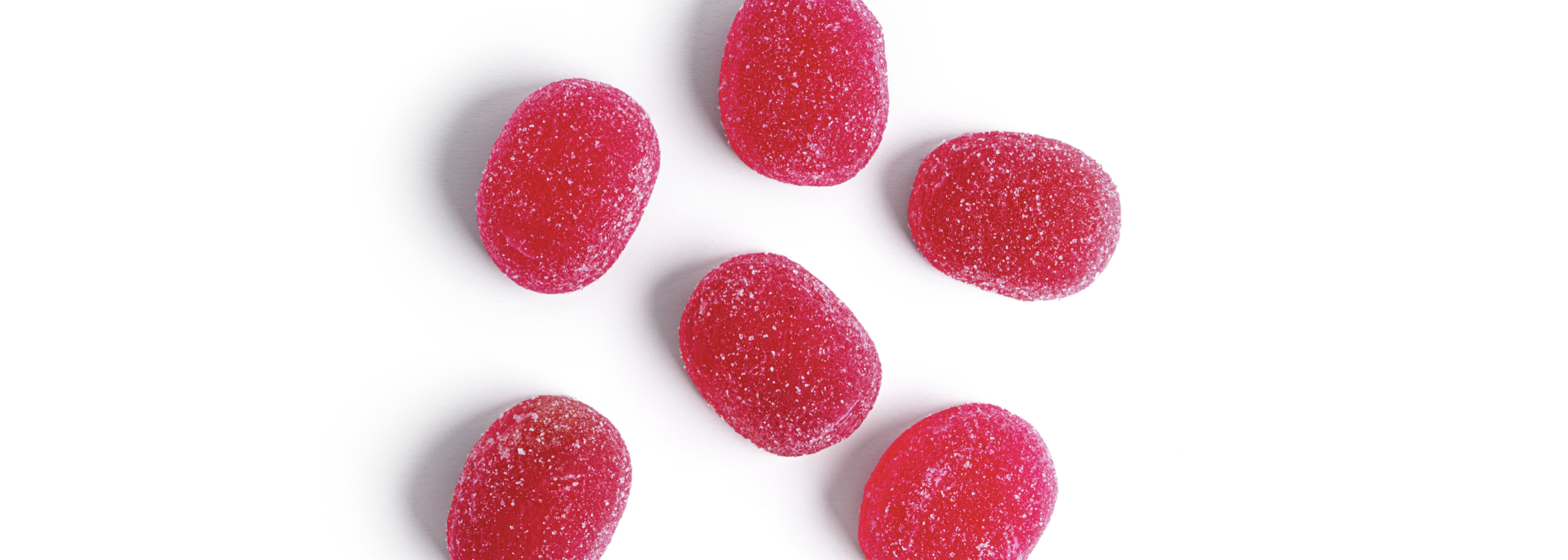


The Anthocyanins (from the Greek: anthos=flower and kyanous=dark blue) are red, purple or blue pigments founds in plants, especially flowers, fruit and vegetables. Anthocyanins are comprised of those colorants which are derived primarily from fruits and vegetables. Commercial sources include grapes, grape skin, elderberries, purple carrot, red radish, red cabbage, purple sweet potato, black currant and also hibiscus.
These colorants are rich in polyphenols and have also been shown to provide heart and anticancer benefits. The Anthocyanins provide a range of shades, from yellowish red to bluish red, to purple, depending on the source and the application. They are most stable at low pH and are used mostly for these types of low pH applications, including beverages, yogurt and fruit preparations, confectionery and frozen desserts.
The Anthocyanins are water soluble and the stability of each is very much a function of the source, as well as the application. Typically, it is the vegetable sourced anthocyanins, such as purple carrot and purple sweet potato, which can provide better stability in application, than some of the corresponding fruit based anthocyanins. This is due to their respective and inherent molecular structures and inter- and intra- molecular interactions. Acylation and glycosylation have been shown to provide and improve the stability of the anthocyanin structure, and in nature, it is typically the vegetable based anthocyanins which tend to have these highly substituted molecular structures.
The relative color strength or color intensity of the different anthocyanins, regardless of the source, is typically referenced using a measurement of Color Unit strength (CU or E value). This is determined by calculation by obtaining the absorbance value at a specified dilution using spectrophotometric measurements.
Applications
Beverages
Fruit Preparations
Yogurt
Confectionery
Water Ices
Frozen Desserts
Powdered Mixes
Functional Foods and Supplements